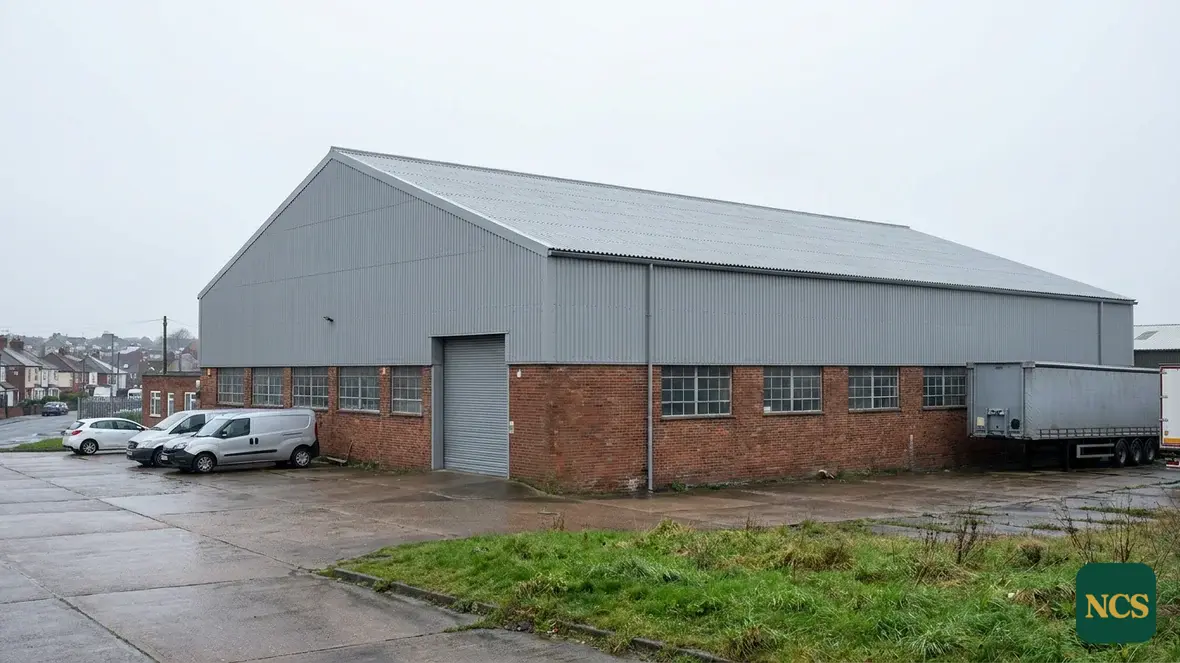
County Durham’s working buildings span an unusual mix: light industrial units on town-edge estates, workshops and garages in the former colliery villages, agricultural sheds across the lowland farms, and storage buildings of every description put up between the 1950s and the 1980s. Many of these were roofed in corrugated asbestos cement. A significant number of those roofs are still in place, original and now seriously weathered, sometimes creating a poor first impression for prospective tenants or buyers. We can help you smarten up commercial premises across County Durham, from city-edge industrial parks near the A1(M) to rural agricultural buildings.
Signs that a building’s roof needs attention soon
From ground level, an old asbestos roof can look the same for years while its condition quietly shifts. These are the signs that the question of its condition is becoming urgent, perhaps as part of a pre-sale or end-of-lease dilapidations review:
- Moss and algae spreading across laps and gutterlines.
- Water staining or drips appearing inside the building.
- Cement sediment collecting in gutters and downpipes.
- Cracks radiating from fixing points.
- Sheets that look chalky, soft-edged or repeatedly patched.
None of these automatically rules out an asbestos roof encapsulation. They are the prompt to establish condition properly rather than guess at it, helping you present a well-maintained property.
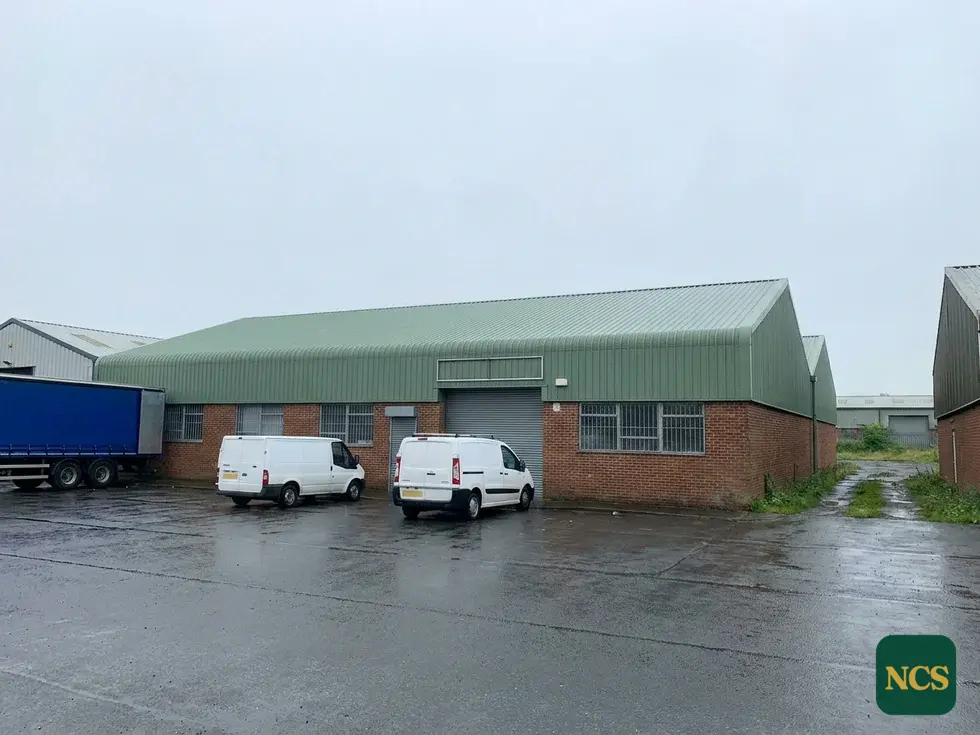
When we recommend removal over asbestos roof encapsulation in Durham
This part of the trade only works if it is honest. Encapsulation is for structurally sound sheets; it locks fibres in and stops weathering, but it adds no strength. Where a survey finds brittle, delaminating or extensively cracked sheets, a failing structure underneath, or damage too widespread to repair economically, the right advice is removal and replacement, and that is the advice we will give in writing. This honesty helps landlords and agents avoid unnecessary costs and ensure a property is genuinely ready for market.
Where the material is not asbestos cement at all but a higher-risk product such as asbestos insulation board, work on it normally requires an HSE-licensed contractor. We identify that situation and step back from it; we do not work around it.
Asbestos cement sheets around Durham chalk and grow moss long before they fail. An encapsulating paint coat on surveyed sheets keeps the weather out and the fibres in.
Your responsibilities for asbestos-containing materials
If you own or control a non-domestic building in or around Durham, the Control of Asbestos Regulations 2012 make you responsible for managing any asbestos within it. Regulation 4 requires you to identify asbestos-containing materials, assess and record their condition, and act on what you find under a written management plan. The roof is usually the biggest single entry on that register, and the one most exposed to deterioration, making its condition a key factor for dilapidations and property transfers.
The duty is to manage, not automatically to remove. Sound asbestos cement can stay in place legally, provided its condition is kept under control. Encapsulation is one of the recognised ways of doing exactly that, improving the visual appeal and compliance of your commercial or industrial property.
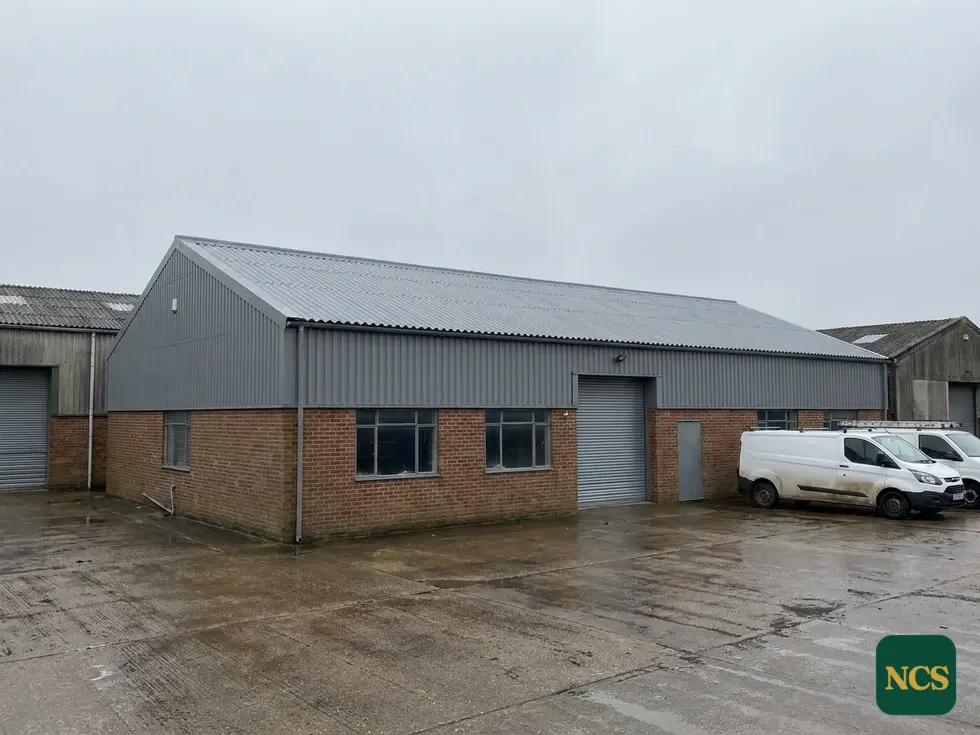
How we approach work in County Durham
We are a survey-led coating contractor based in the South-East, working across the UK. For County Durham that simply means survey visits and works are scheduled efficiently rather than ad hoc; the standard of inspection does not change with the postcode. The survey covers the sheets at close range, fixings, laps, rooflights, internal evidence and structure, and it ends in written findings with a clear recommendation that can support your pre-sale or re-let strategy.
Where encapsulation goes ahead, the sheets are cleaned under controlled conditions, repairs are made, and a flexible coating seals the surface, leaving a watertight roof with its fibres bound in. The asbestos stays on your register and the duty to manage continues; what changes is that the roof stops deteriorating and starts behaving like an asset under control, ready for its next chapter.