Why we survey your building before you commit to spending
Every pound you spend on a coating project sits on top of the survey’s findings. Get the inspection right and the preparation, primer and finish all follow logically. Skip it and you’re gambling on whatever is under the old paint. For owners and facilities managers across Durham and the wider county, survey-led means the recommendation is driven by the building’s condition, not the contractor’s order book. That’s the standard we hold ourselves to on every project, large or small. It’s also the right first question to ask anyone you invite to look at your cladding. If a building you look after is showing the signs of wear listed below, an inspection will settle what they actually mean, and often point the way to simple, effective repairs.
When a new coating isn’t the best option
A coating is the right answer surprisingly often, but not always. Wholesale delamination of the factory finish, corrosion that has gone through the sheet, loose or distorted panels and active water ingress all rule it out until they’re dealt with. We won’t spray over any of them, and our report will tell you why. Fire performance is the other hard limit: no paint changes it, and anyone who implies otherwise is selling rather than advising. Our job is to give you the facts, not to push a service that won’t deliver.
Cladding refurbishment work in Durham
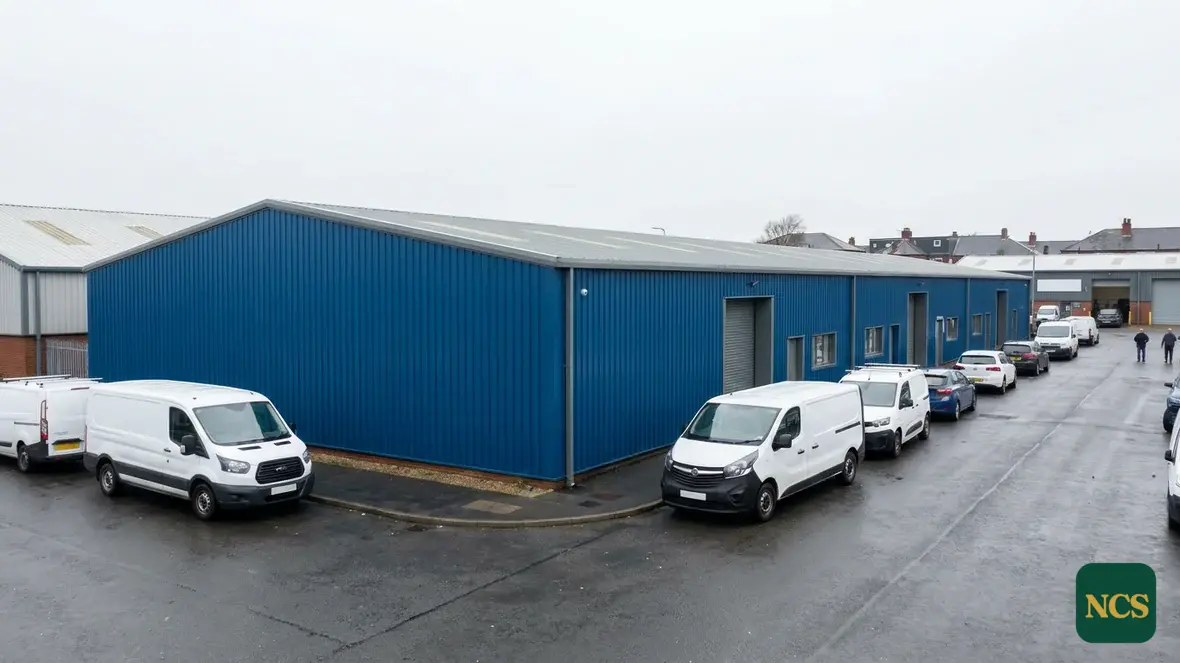
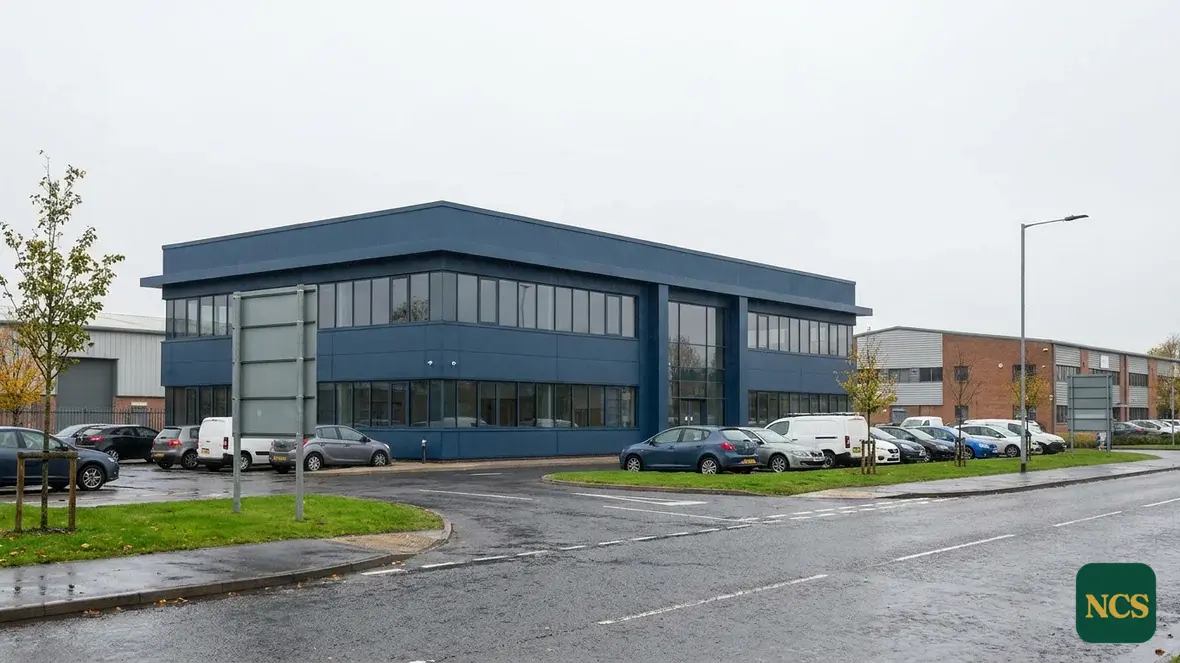
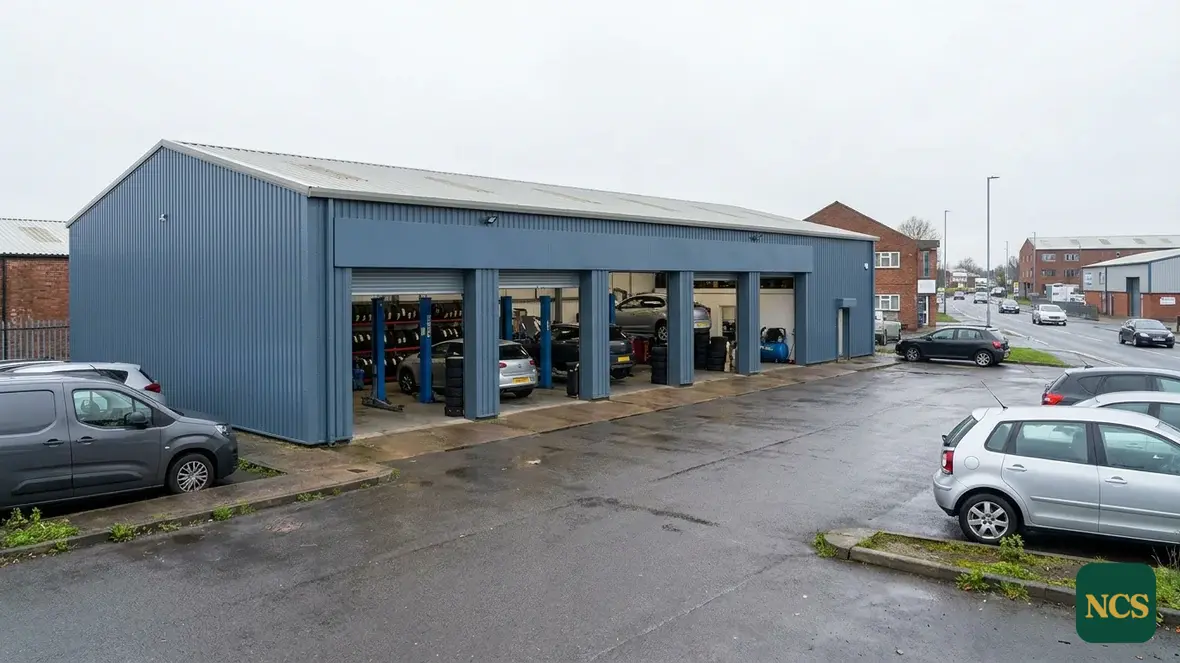
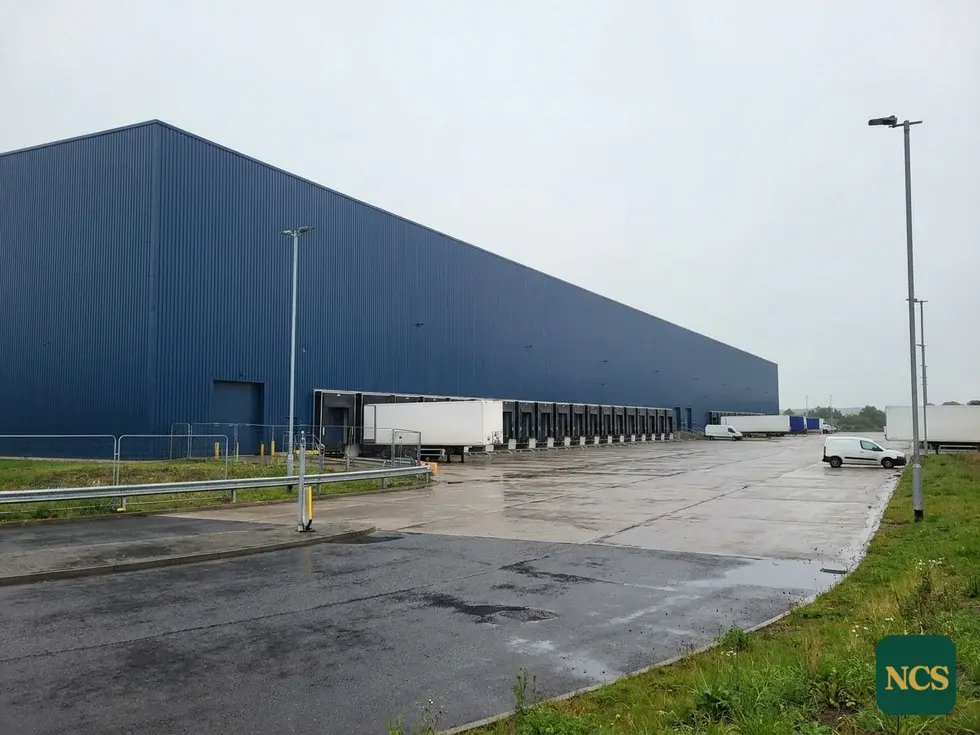
Durham’s postcard image is the cathedral on its peninsula, but most of the county’s working buildings are steel-clad and strictly practical. Cladding spraying in Durham serves that working stock: units on the business parks around the city, industrial buildings in the former colliery towns, agricultural sheds towards the upland fringe, and the trade and retail space along the A1 corridor. County Durham weather is not gentle with any of them: cold, wet and frequently windy, with salt influence drifting in from the coast to the east. We work survey-led. We need to establish the condition of the cladding before we recommend anything. That condition is what decides whether coating makes sense for you, and whether it’s a full re-spray or a targeted repair and maintenance job.
Enquiries from Durham arrive as cladding painting, respraying or refurbishment, and they all point at the same faded elevation.
Visible signs that a clad building in Durham needs attention
The North East climate produces a familiar pattern of wear, and most of it is visible if you know where to look. We’ve seen it on industrial units and agricultural buildings alike:
- Colour fade and chalking, worst on the most exposed elevations.
- Orange staining at sheet ends and laps, a sure sign of cut-edge corrosion starting up.
- Green algal growth on shaded, north-facing faces.
- Streaking beneath gutters, fixings and flashings.
- Patch repairs and replacement sheets that no longer match the rest.
None of these automatically mean you’re looking at a full replacement job. Most of these are exactly what spray refurbishment exists for, provided the substrate underneath is still sound. Establishing that is the survey’s job. Aspect and altitude matter here too. A building on an exposed ridge above the Wear weathers differently from one tucked into a valley estate. Our survey records those differences, rather than treating every elevation as if it faced the same sky, especially when we’re looking at planned maintenance.
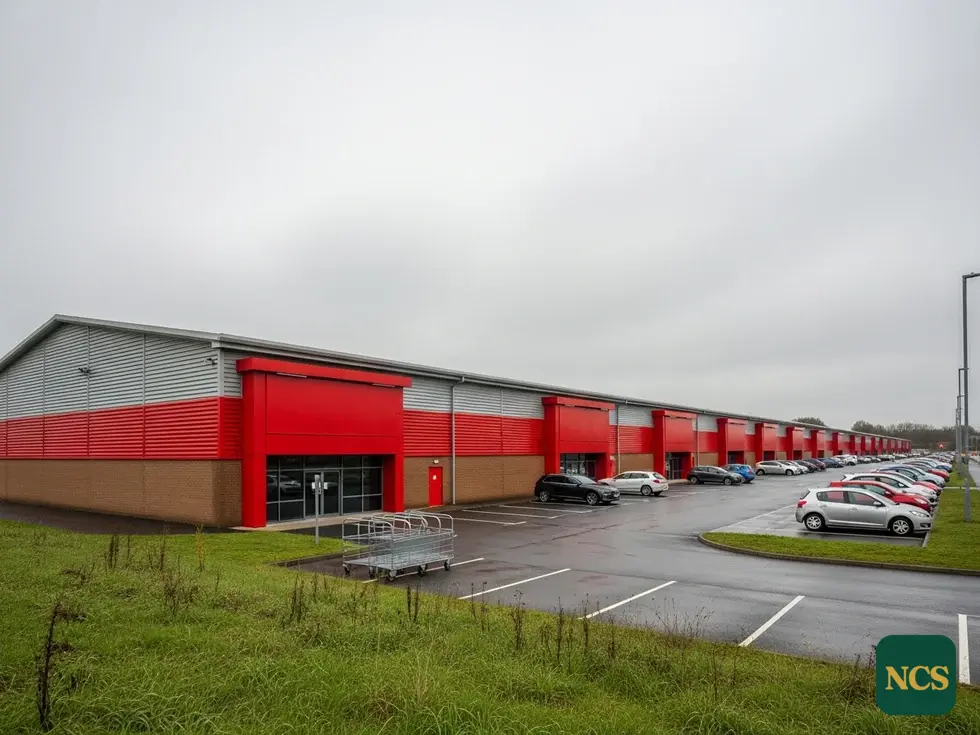
Our process for a survey-led project
The inspection always comes first. We do adhesion testing, corrosion mapping at cut edges, laps and gutter lines, and a close look at fixings, sealants and flashings. This detailed survey is crucial for cladding coating and roof coating projects alike. The report that follows is written in plain English. It tells you whether coating is worthwhile, or if you’re better off doing something else. If it is, the building is washed down, corrosion treated, bare metal primed and everything else masked before we spray the new finish in even coats. Weather windows are planned realistically; this is the North East, and we schedule accordingly. Access equipment is matched to the building, from towers on small units to powered access on taller elevations. We’re based in the South East but work nationally. Our survey trips to Durham routinely take in Chester-le-Street, Sunderland, Darlington and Newcastle upon Tyne. This means if you have buildings spread across the region, we can assess them all together, often combining a full re-spray survey with a quick look at other buildings for potential cut-edge corrosion