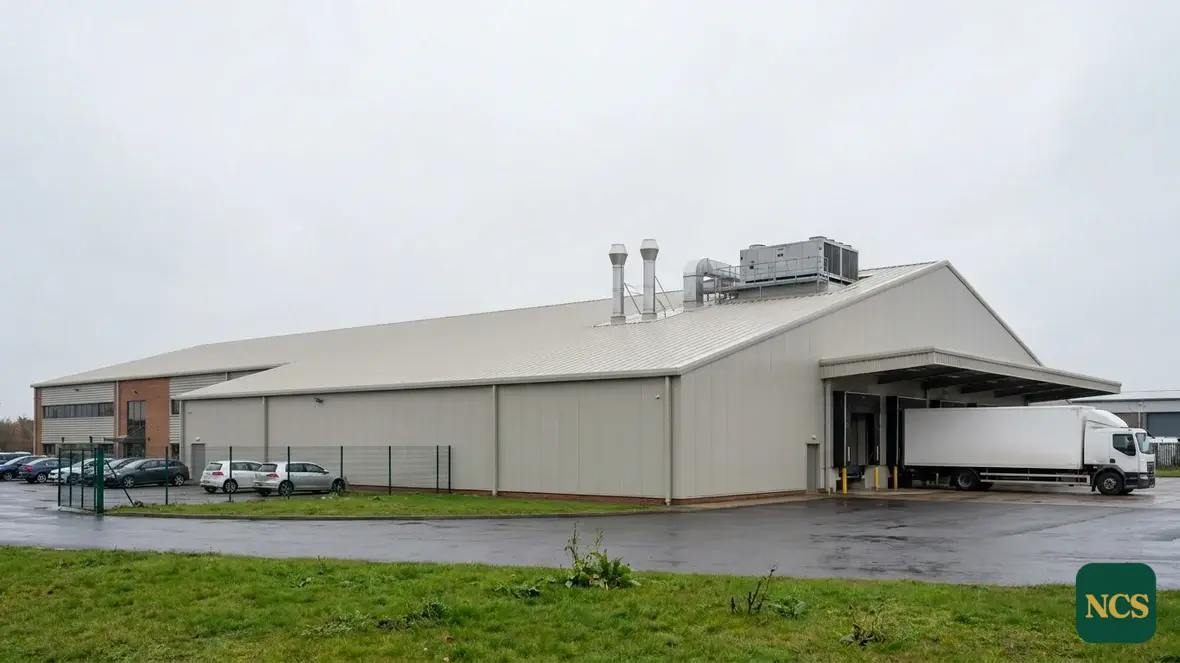
Industrial roof coatings across Durham and the North East
Industrial estates in County Durham have seen decades of hard graft. We’re talking portal-frame units, factories, and storage sheds, many on their second or third tenant, all roofed in profiled metal. We’re National Coating Specialists, based in the South East but working across the UK. We provide industrial roof coatings in Durham and the wider North East for the facilities and estates teams who need to keep these buildings weathertight without throwing good money after bad on unnecessary replacements.
A failing roof on a Durham industrial unit rarely needs stripping. Painting a sound deck with a proper liquid system costs a fraction of replacement and keeps the building working.
North East weather is a stress test for roof finishes
Exposure is everything, and the North East throws the lot at a roof: driving rain, long wet spells, and freeze-thaw cycles that find every weak spot in an ageing finish. The factory coating on profiled steel doesn’t just fail overnight. It chalks, fades, and thins over years, and the weather dictates the pace. On exposed elevations and along ridge lines, that original finish often wears through long before the rest of the roof, leaving bare steel where the rain hits hardest.
A coating system, applied while the substrate is still sound, effectively resets that clock. Your roof gets a continuous, fully bonded weatherproof layer, laps and fixings are sealed, and the decline flattens out instead of getting steeper. The economics really stack up in climates like this one, because the difference between a maintained roof and a neglected one just gets wider, faster.
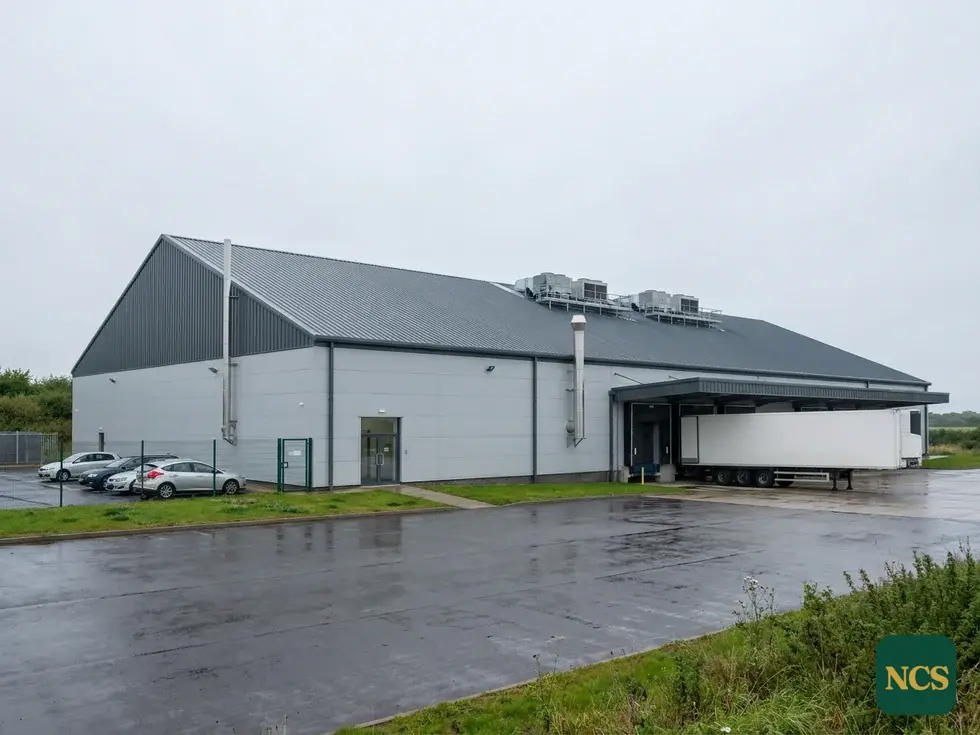
Cut-edge corrosion on long-serving roofs
The first place we check on any profiled metal roof is the cut edges: the bare steel exposed where sheets were cut at eaves, laps, and verges. This is where corrosion starts. On roofs as old as many across Durham’s estates, you’ll usually find it already there. The survey tells us how far it’s gone. Edge rust that’s lifted a strip of coating? That’s routine, treatable work: mechanical prep, corrosion treatment, and a dedicated cut-edge sealing system before we apply the main coating. But rust that’s eaten into the lap and weakened the sheet end is a different beast entirely. We won’t pretend it isn’t.
What the survey report gives you
Every job starts with us physically getting up on your roof. The report we give you is designed to be genuinely useful, no matter what you decide to do next:
- A clear assessment of your sheets, finish, laps, fixings, and flashings.
- The extent and severity of any cut-edge corrosion, all backed up with photos.
- The condition of your gutters and drainage, including any hidden valleys.
- An honest look at your rooflights, with recommendations for replacement if they’re shot.
- A straight answer on whether coating is the right call for your roof, and why.

The roofs we decline to coat
Some roofs are just past it, and we’ll tell you straight. If we find widespread perforations, corrosion that’s taken the strength out of laps or fixings, waterlogged insulation in built-up systems, or ponding from structural movement, then coating is not the answer. The honest recommendation will be repair or replacement, not just painting over the problem. A coating in those situations is just decoration on a failure. We put that judgment in writing, because an estates team needs solid evidence for a replacement budget just as much as for a maintenance one.
Where the survey confirms a sound substrate, which is what we usually find, coating is often the most economical route by a long chalk: a fraction of the replacement cost, no strip-off, no exposing the building during works, and minimal disruption to whatever’s going on inside. For industrial buildings in Durham heading into another run of North East winters, it’s worth finding out now which category your roof falls into, rather than after the next leak.