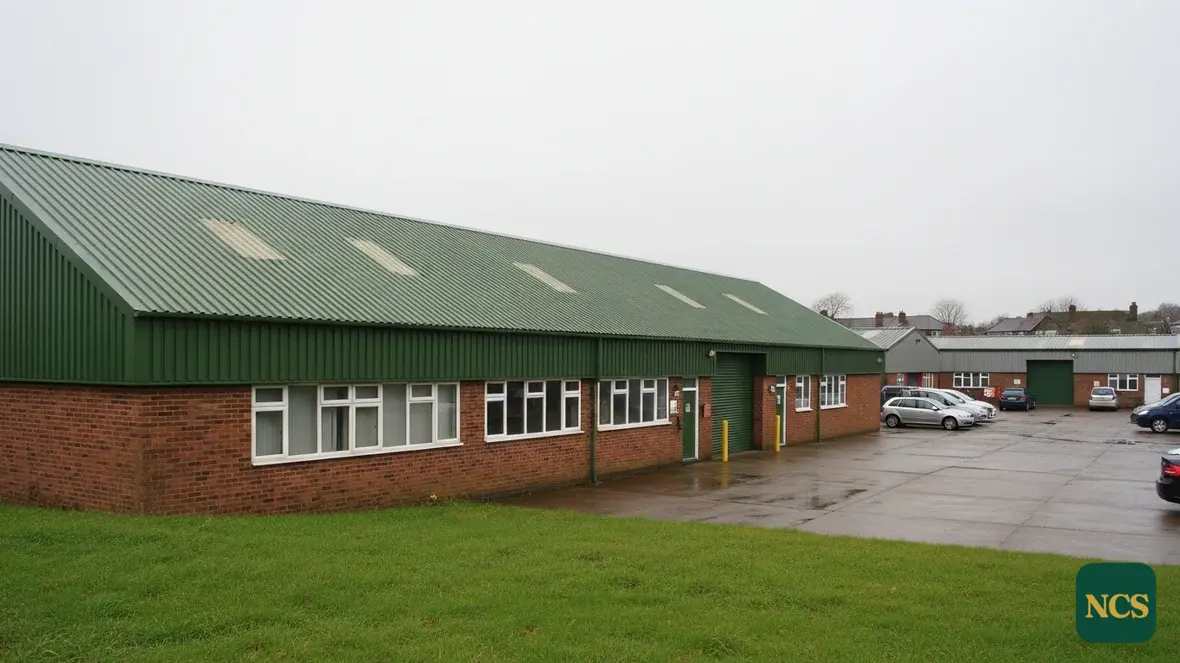
Black Country industrial roofs are full of asbestos cement
Wolverhampton’s industrial past is written all over its rooftops. Those old factories, foundries, and big warehouses across the Black Country? Most of them got corrugated asbestos cement roofs back in the day. We’re talking 1960s to 1980s, the busiest years for that kind of construction. They were built to last maybe thirty years. Many have seen a lot more than that. So, what we often find around here are these big portal-frame roofs, porous, choked with moss, and leaking at every fixing and lap, even if the sheets themselves are still solid. That’s exactly where encapsulation shines, but we always need a proper survey first to be sure those sheets aren’t too far gone.
Why encapsulation usually undercuts removal
When you’ve got a big industrial roof, the numbers always matter. Encapsulation is a proper engineered job. We survey the roof sheet by sheet, clean it carefully to get rid of moss and debris without disturbing fibres, then repair any dodgy fixings or rooflights. Only then do we put down a coating system designed specifically for asbestos cement. Once it cures, that film binds the surface, locks in the fibres, makes the roof shed water again, and buys you a load more service life. Compare that to stripping a huge warehouse roof, getting rid of every sheet as hazardous waste, then paying for a whole new one. The cost difference is usually massive. And here’s the kicker: the building underneath stays working. On a busy industrial site, avoiding lost production and all that disruption can be worth as much as the money you save on the roof itself.
The duty to manage under CAR 2012
Regulation 4 of the Control of Asbestos Regulations 2012 means whoever’s in charge of maintenance for a non-domestic building has to manage asbestos. You need to find any asbestos materials, check their condition, keep a written record, and deal with the risk. It’s about managing it, not just ripping it out for the sake of it. If asbestos cement is in good nick, it can stay, as long as it’s recorded, monitored, and sealed if that makes sense. Encapsulation is a solid way to meet that duty. It’s a proper, documented control measure that slots right into your asbestos management plan. It’s not a shortcut.
Sealing, coating or painting an asbestos roof in Wolverhampton all start the same way: a condition survey that says what the sheets can safely take.
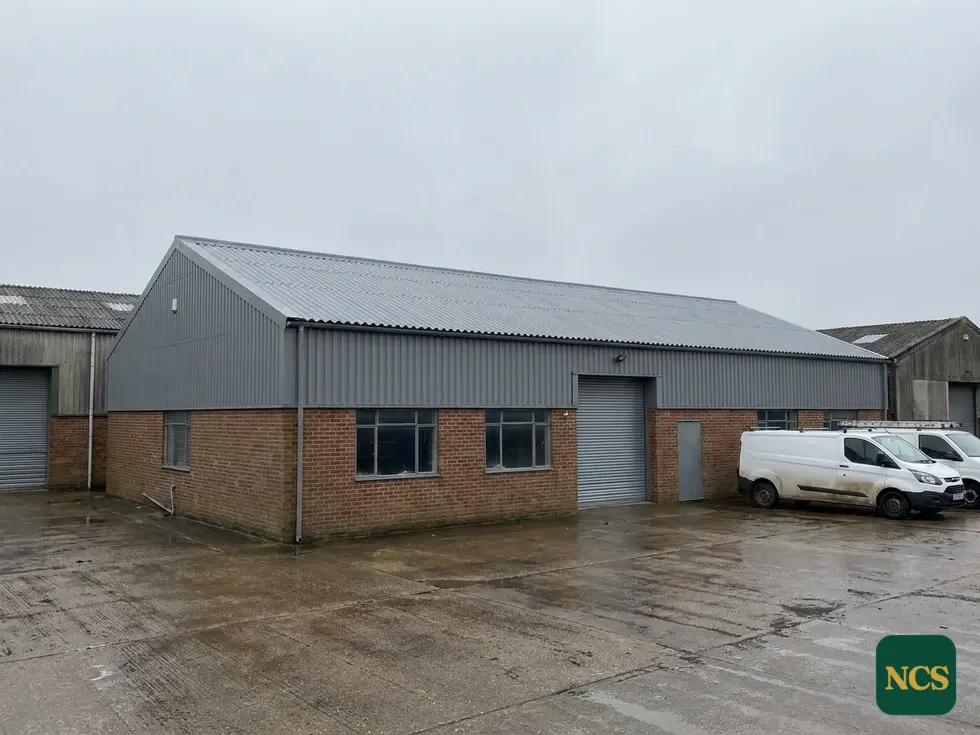
The honest limit: where removal is the only answer
Look, not every roof should be coated. We’ll tell you that upfront, not after we’ve started. Encapsulation is the wrong call if sheets are widely cracked or holed, or if the cement has gone soft and crumbly from being saturated for too long. Same goes if structural movement or storm damage has knackered the roof. And it’s only for asbestos cement. If our survey turns up asbestos insulating board, lagging, or sprayed coatings, that’s licensed material. That stuff needs taking out by an HSE-licensed contractor, not sealed over. If removal is the right path for your building, we’ll put it in writing and walk away from the coating work. We won’t take on a job that won’t last or puts your compliance at risk.
Survey-led, UK-wide, Wolverhampton covered
We’re based in the South-East but we work all over the UK. So, Wolverhampton and the wider Black Country are well within our reach for a survey. Every job starts with an inspection, not a sales pitch. That means:
- We’ll do a full condition survey of your sheets, fixings, rooflights, gutters, and the overall structure.
- You’ll get a photographic record to go straight into your asbestos management plan.
- We’ll give you a plain, written recommendation: encapsulate, fix it first, or get it removed.
- You only get a specification and a price from us if coating is genuinely the best option.
- We carry out all the work under controlled, documented conditions.
If you’ve got a factory or a warehouse in Wolverhampton with one of those 1960s-to-1980s asbestos cement roofs that’s never been properly checked, a survey from us sorts out your compliance and cost questions in one go. It tells you, honestly, what the evidence supports.
We carry out asbestos roof encapsulation work in and around Wolverhampton. For the full survey-led service and how we assess each building, see our Asbestos Roof Encapsulation service, or request a free site survey.

Recently — July 2026
If a coating is not the right call for your building, we will tell you that after the survey rather than sell you a job that fails.
With surfaces staying dry for longer, summer lets us prepare and coat a roof in a single planned visit rather than working around showers.