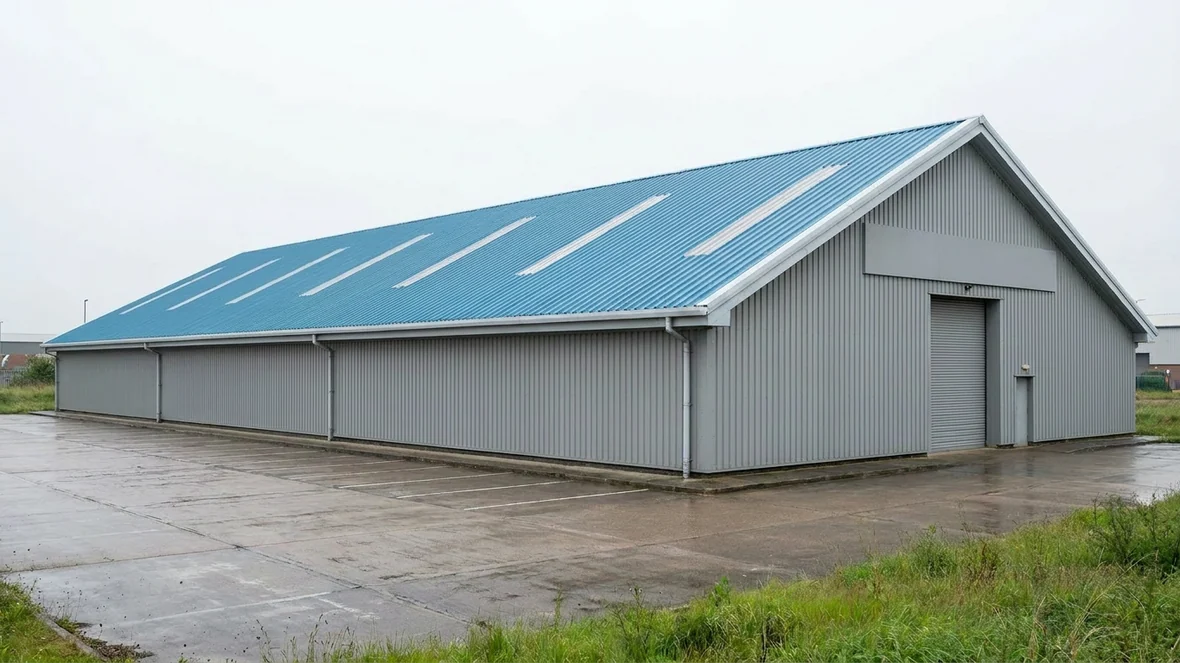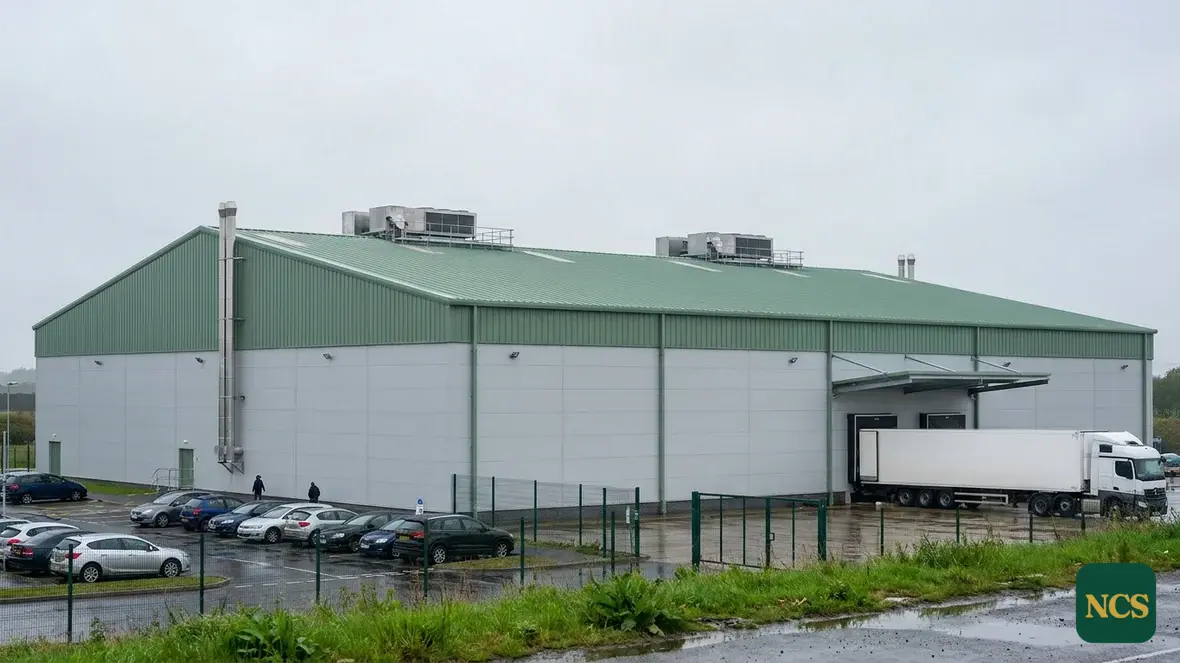




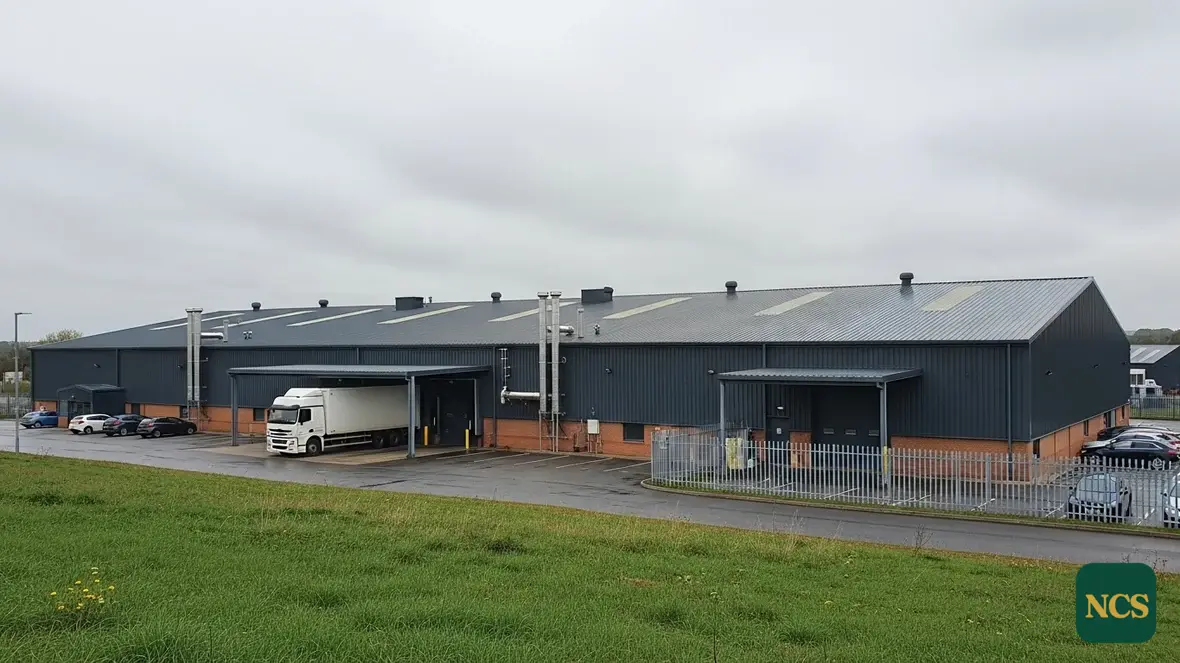
Industrial roof coatings Wolverhampton relies on a survey first
Industrial roof coatings Wolverhampton estates trust starts with a proper roof survey, not a guess from the yard. We check the sheets, the laps and the fixings before anyone talks numbers.
The Black Country built things, and much of it still does. Around Wolverhampton that history is visible in the industrial stock: engineering works, fabrication shops and component suppliers sitting alongside the 1980s and 1990s warehouse units that fill the estates between Bilston, Wednesfield and the city fringe. Most share one feature, a large profiled metal roof that has been quietly deteriorating for twenty or thirty years.
Roof coating for Black Country industrial buildings
We are National Coating Specialists, a survey-led contractor for exterior coatings. We are based in the South East and work across the UK, including the West Midlands. Our industrial roof coatings work centres on profiled metal roofs: we treat corrosion, seal laps and fixings, replace defective fasteners and apply a full coating system. That puts the roof back into watertight service for considerably less than the cost of replacement. For a Wolverhampton facilities or estates team, the appeal is straightforward: the building keeps working, the budget stays sensible and the roof stops being the item that gets deferred every year.
An industrial roof repaint around Wolverhampton done on a surveyed deck adds real service life. Done blind, it hides the faults until they leak. You can see that survey-led process in our roof coating case study.
The cut-edge problem on 1980s and 1990s sheds
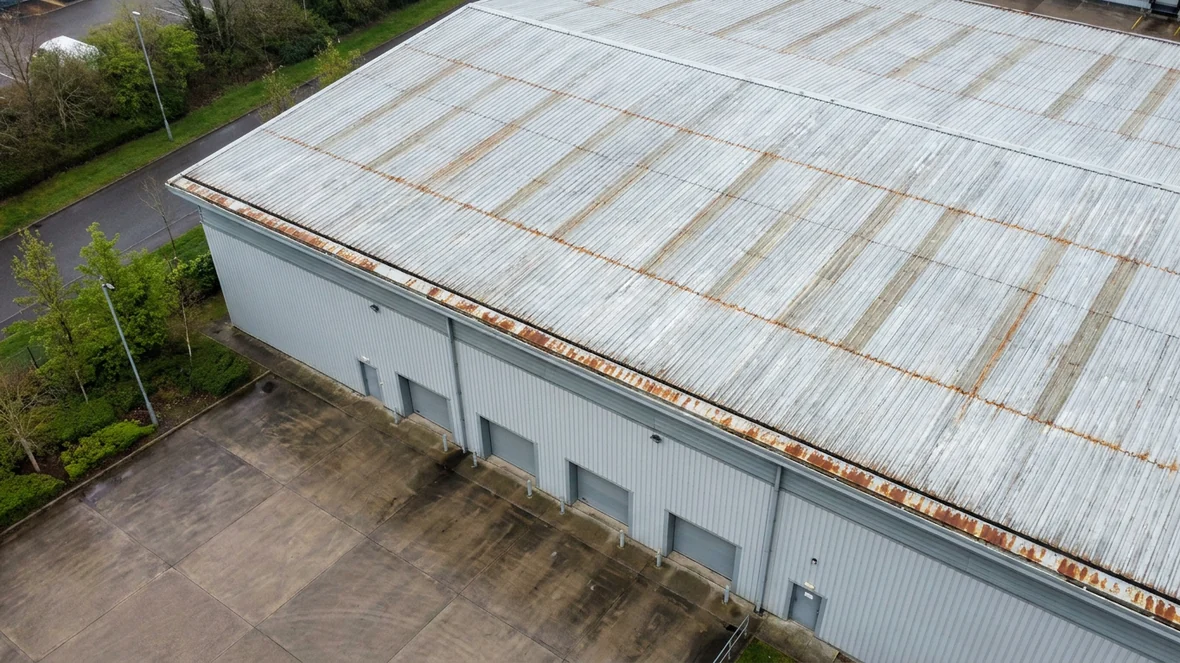
Steel roof sheets from this era were coated on the coil, then cut to length. Every cut exposed bare steel, and decades of Midlands weather have had time to work on it. The result is cut-edge corrosion: rust tracking along sheet overlaps and eaves, often visible as a brown line from the ground.
On its own it looks cosmetic. In practice it is the front line of the roof’s decline, because once the corrosion undercuts the remaining coating and reaches the fixings, laps begin to leak and sheet ends start to delaminate. Treated early, with the edges prepared, primed and sealed before the coating goes on, the process stops. That window is the whole argument for acting now rather than in five years.
Manufacturing does not stop for maintenance
Plenty of buildings around Wolverhampton run shifts, and some run around the clock. Roof coating suits that reality better than almost any other roofing intervention. The work is external, so production continues underneath. Nothing is stripped off, so there is no exposed deck and no weather risk hanging over the programme. We agree working zones, access plant positions and delivery windows with your team in advance, and phase the roof so that yards, loading doors and fire exits stay clear throughout. For most sites, the operation below barely notices the work above.
Coat, repair or replace: an honest answer
A coating is not always the right call, and we would rather lose a job than coat a roof that is past saving. If the survey finds sheets perforated by rust, saturated insulation, structural movement or a deck at the end of its life, we will tell you the building needs a re-roof and put that in writing. Equally, some roofs only need targeted repairs and gutter works rather than a full coating, and we will say that too. The recommendation follows the evidence, not the other way round.
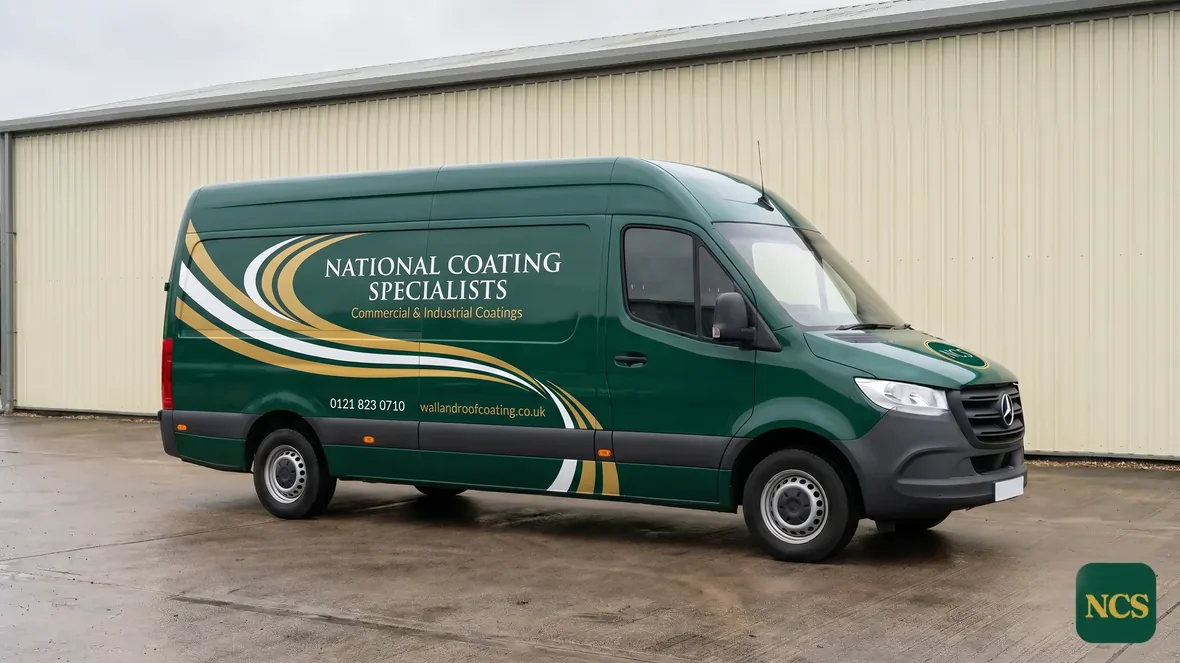
What the survey gives you
Everything starts with a close-quarters inspection of the roof, not an estimate from a satellite image. The surveyor records the condition of the sheets and the remaining finish, maps the extent of edge corrosion, checks fixings, rooflights, flashings and gutters, and looks for evidence of water getting in.
You receive a written report with photographs, a clear verdict on whether the roof is a sound candidate for coating, and a specification describing exactly what work is proposed. It is the kind of document an estates team can put in front of a board or a landlord without translation. If you manage an industrial building in Wolverhampton or anywhere in the Black Country, the survey is the place to start.
Industrial roof coatings Wolverhampton: recent work we can show you
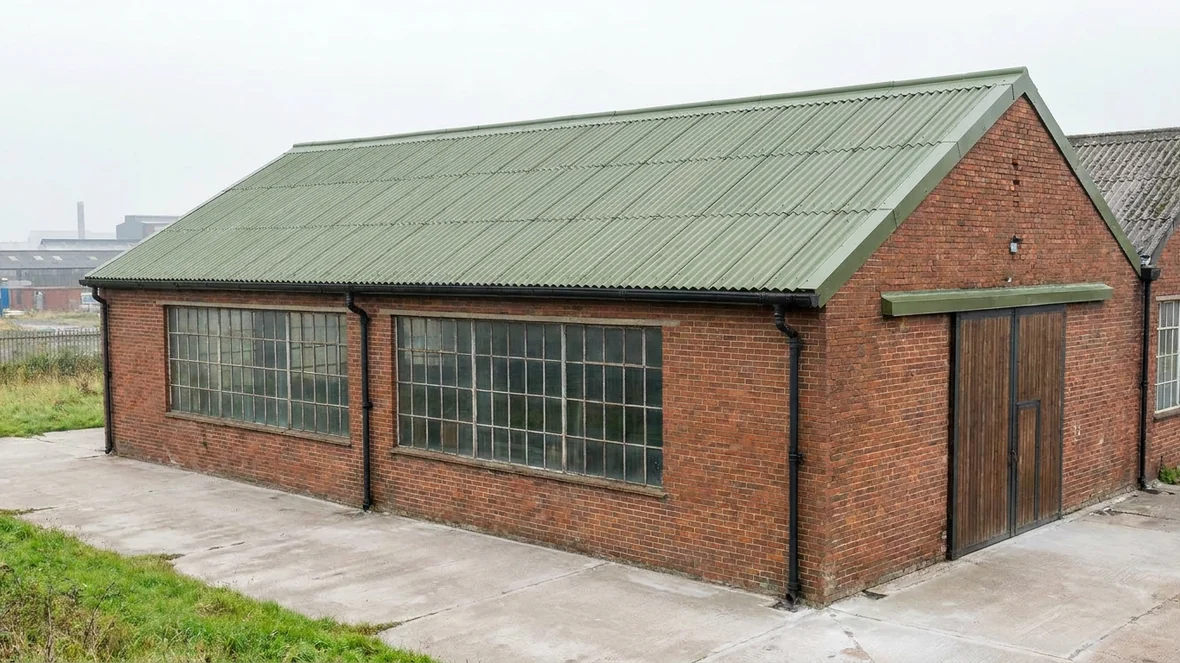
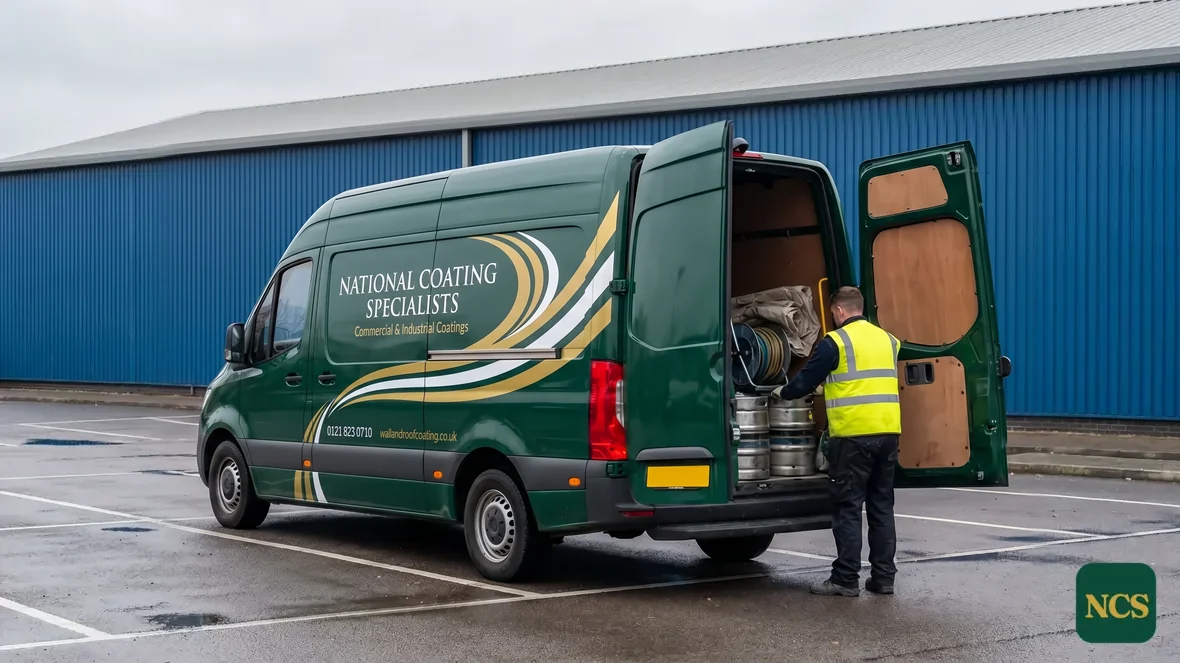
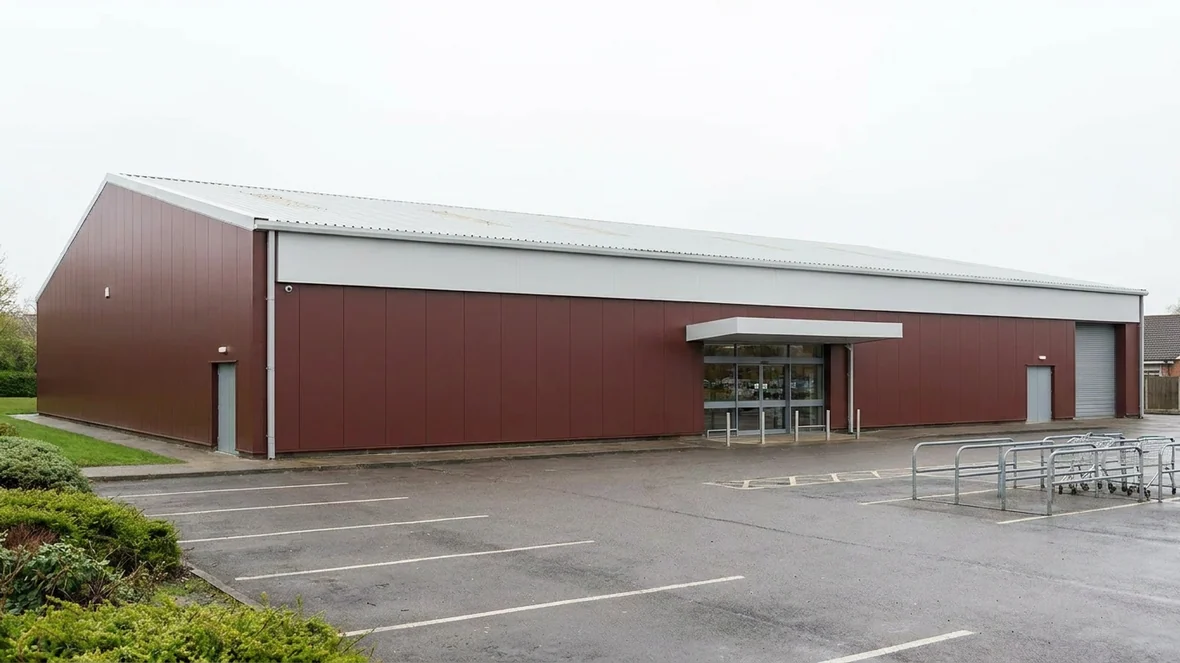
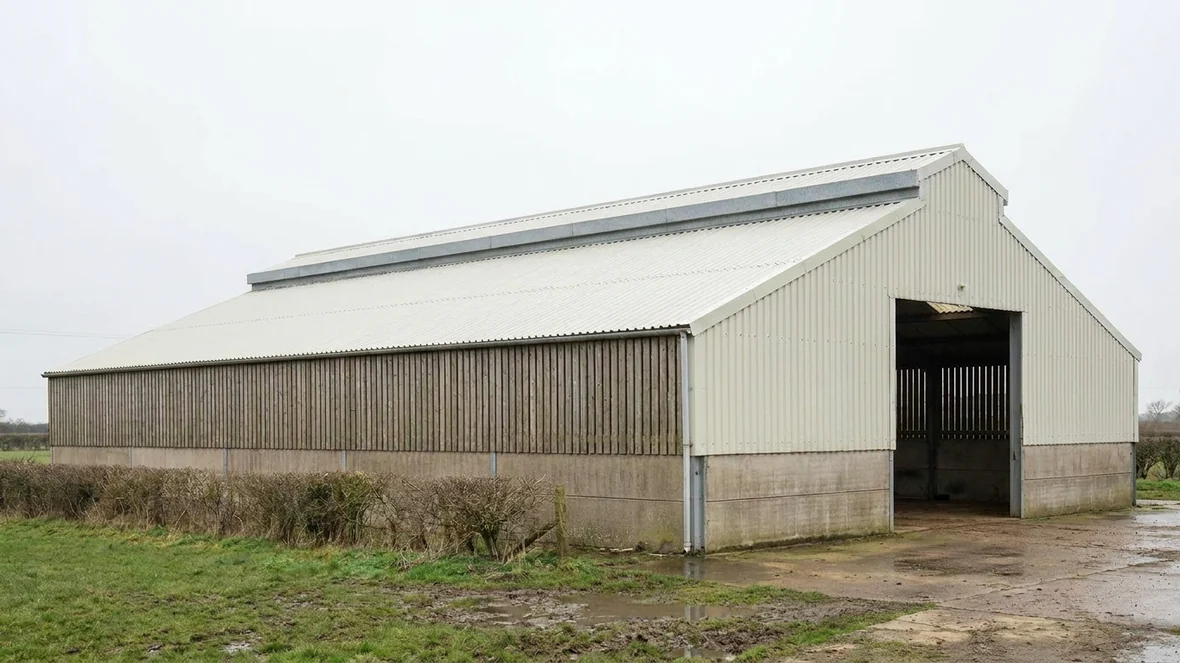
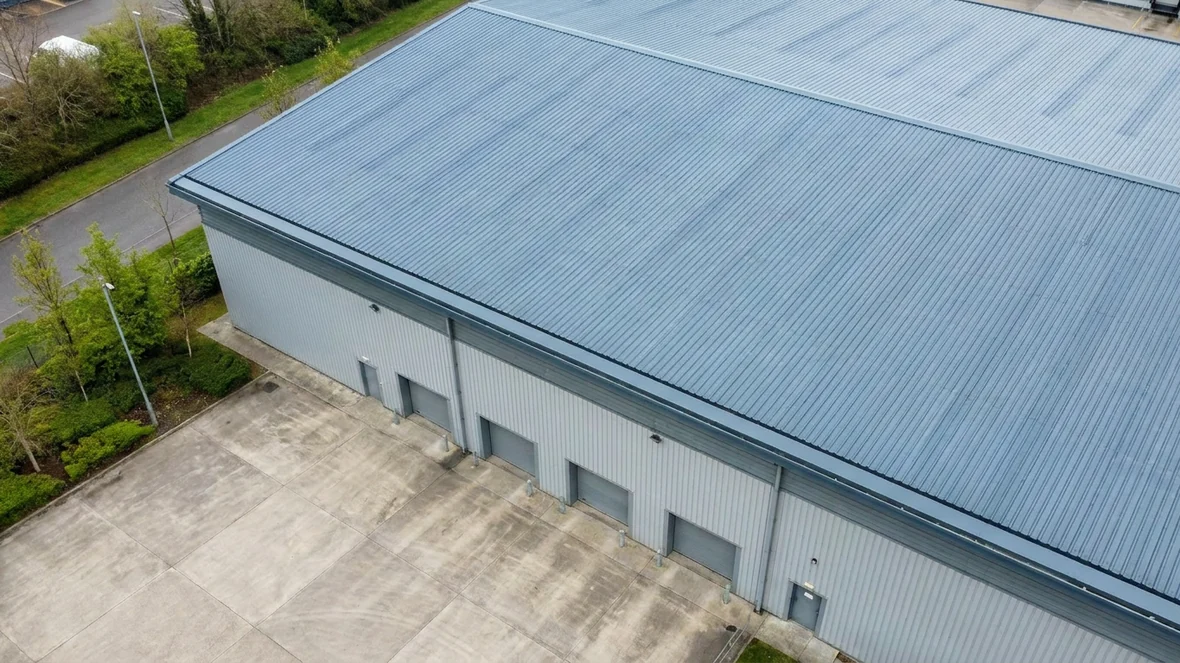
These are our own photographs from jobs of the same type. They are not stock images, and none of them is dressed up as something it is not. The caption tells you where each one was taken.
Standards behind our industrial roof coatings Wolverhampton work
Coating an industrial roof is work at height on a surface that may already be corroded, so access is planned from the survey stage onwards. Our teams plan every job around the HSE’s work at height guidance, and we hold CHAS accreditation so the health and safety paperwork a managing agent or estates team asks for is ready before the first van arrives.
Common questions about industrial roof coatings Wolverhampton
Can an industrial roof be coated instead of replaced?
Often, yes, provided the roof sheets and supporting structure remain suitable. We begin with a roof survey to identify corrosion, failed fixings, damaged sheets, open laps and previous coating defects. Where deterioration is too advanced for coating alone, we explain which repairs or replacement areas are required before treatment.
Which types of industrial roof can be coated?
Industrial roof coatings can be applied to many profiled metal, fibre cement and previously coated roof systems. The correct specification depends on the substrate, its condition, the existing finish and the required outcome. Adhesion checks may be needed where the roof has an unknown or ageing coating.
Will a roof coating stop leaks?
A coating can form part of a weatherproofing system, but it should not be used to conceal unresolved defects. We first trace likely points of water entry, such as loose fixings, split sheets, failed seals, open laps, deteriorated rooflights and defective penetrations. These details are repaired before the main coating is applied.
How long does an industrial roof coating take to apply?
The programme depends on roof area, access, preparation requirements, drying conditions and the extent of repairs. Weather also affects application, particularly where surfaces must remain dry between preparation and coating. Following the survey, we set out a practical sequence that accounts for site operations and safe access.
Can industrial roof coatings be applied while the building remains in use?
In many cases, work can be organised around an occupied building. We consider access routes, deliveries, ventilation points, overspray control and activities beneath the roof. Where necessary, we divide the work into manageable sections to reduce disruption while maintaining suitable preparation and application conditions.
Preparing an industrial roof for coating
The performance of industrial roof coatings Wolverhampton building owners commission depends heavily on preparation. Applying a fresh coating over corrosion, dirt or unstable material merely covers the defect for a time. We prepare the roof to create a clean, sound and compatible surface.
Cleaning and surface assessment
We remove accumulated dirt, organic growth, loose paint and other contamination using methods appropriate to the roof material. Once the surface is clean, areas of corrosion, weak adhesion and local damage are easier to assess. Residues are cleared rather than left in gutters, outlets or roof channels.
Repairs to laps, fixings and penetrations
Sheet laps, fasteners, rooflight junctions, vents and service penetrations require particular attention because movement and weathering commonly affect these details. We replace unsuitable fixings where required, secure loose sections and treat joints with compatible reinforcing and sealing materials.
Corrosion treatment and coating application
Loose corrosion is removed and exposed metal is treated before the main coating system is applied. Edges, fixings, laps and repaired areas may require additional attention before broader roof areas are coated. We also monitor surface dryness, temperature and likely weather changes so that application does not proceed in unsuitable conditions.
- Roof surfaces are cleaned and allowed to dry properly.
- Loose or unstable existing coatings are removed.
- Corroded areas are prepared back to a sound surface.
- Defective fixings, laps and penetrations are addressed.
- Gutters and drainage points are kept clear during the work.
- Coating is applied only when the substrate and weather conditions are suitable.