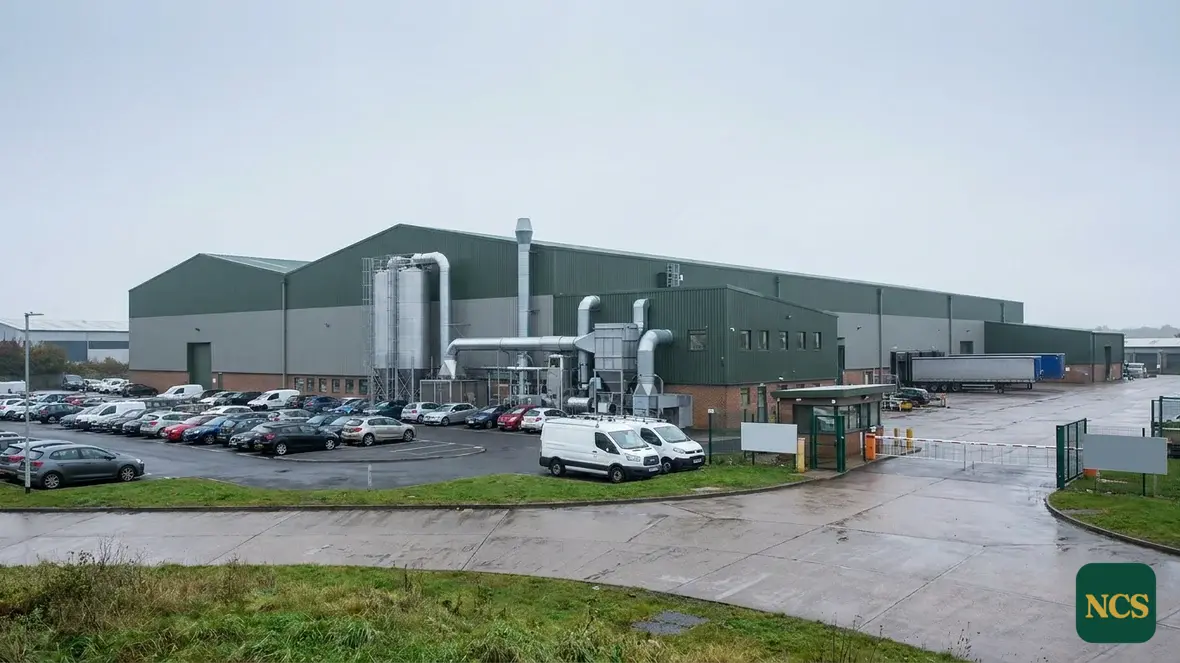
If you own or manage a commercial building in Manchester, the chances are you know all about profiled metal roofs and the rain. We see a lot of both. The city’s industrial estates and warehouse belts are full of steel roofs, and they spend more time wet than most places in England. For coated steel sheet, that means one thing above all: the cut edges, the only unprotected steel on the roof, get more hours in standing water and corrode sooner. Cut edge corrosion treatment is the repair that meets that problem while it’s still a repair.
Where the water lingers, the edges fail
Every coated sheet is cut to length, and every cut leaves bare steel. On the assembled roof those edges sit at the end laps, side laps and along the gutters. Persistent rain keeps those positions damp. The bare steel rusts, and the rust creeps back beneath the coating, lifting and peeling it. Moisture drawn into the laps cannot evaporate, so corrosion continues between the sheets out of sight.
The high-risk positions we check on any Manchester roof:
- Gutter edges, where sheet ends sit closest to held water.
- End laps on shallow pitches that drain slowly.
- Side laps facing the prevailing weather.
- Sheet ends above blocked or back-falling gutters.
- Penetrations and rooflight surrounds that interrupt drainage.
The spread is the danger
Cut edge corrosion never stays a cosmetic stain. Underfilm creep widens the band of failed coating year on year, the steel at the ends thins, and eventually it perforates along the lap lines. That’s the worst possible place for holes, because water tracks straight between the sheets and into the building. By then the affordable repair has expired and you’re pricing sheet replacement instead.
That timeline runs faster in the North West than in drier parts of the country. It makes the case for early treatment stronger here, not weaker.

What proper treatment looks like
The work is mostly preparation. We clean corroded edges back to sound steel and remove the failed coating around them. The sound metal is then primed with corrosion-inhibiting products, and the edges, laps and gutter lines are sealed with a flexible coating system made for the movement of a metal roof. The aim is simple: stop the corrosion where it stands and put a maintainable surface back over the most vulnerable lines on the roof. Done at the right stage, it keeps the existing sheets in service for a fraction of the cost of replacing them.
Timing matters in this part of the country. Coating systems need dry surfaces and a workable weather window. The sensible sequence is survey now, scope agreed, and the application slotted into the next reliable spell rather than fought through showers. Acting on the survey early keeps that flexibility.
The roofs we will not treat
We survey before we price. Some surveys end with us advising against treatment. Sheet ends already perforated, laps corroded through across large areas, or steel thinned beyond trust are past what any coating can do. Pretending otherwise just delays the real decision at your expense. Where that is the finding, our report says so with photographs and sets out the genuine options, from partial resheeting to over-roofing. You’ll get the same straight answer whether it wins us work or not.
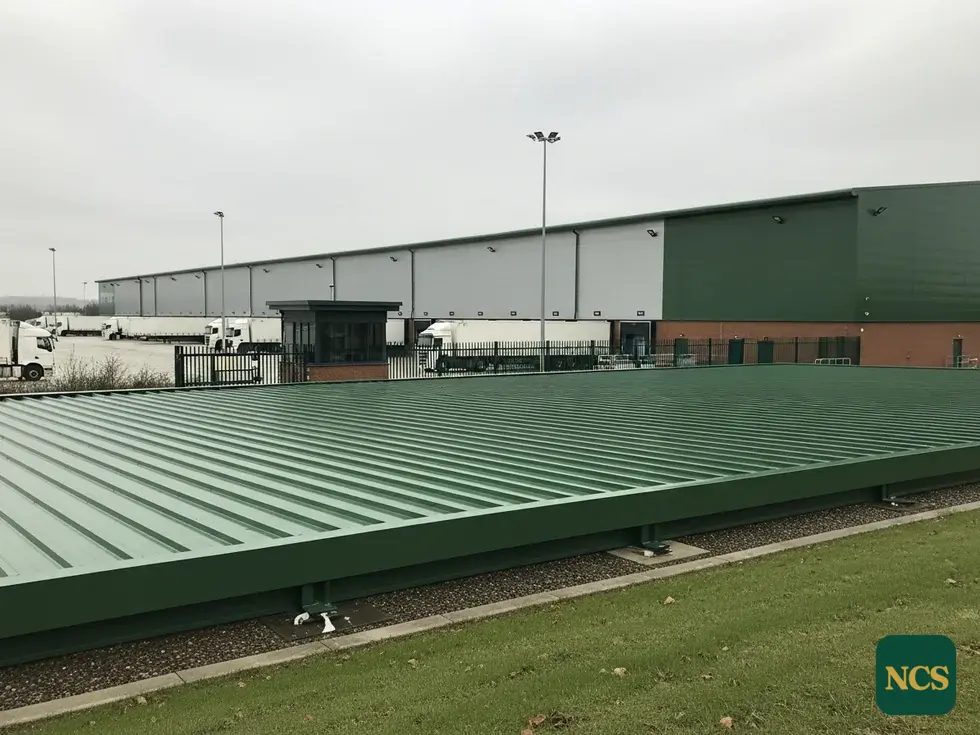
Edges first, whole roof while we are there
Edge corrosion is usually the loudest symptom of a coating ageing everywhere, and Manchester weather does not spare the rest of the sheet. If the survey shows the wider finish chalking or fading, we’ll quote a full roof coating alongside the edge treatment so you can deal with both under one access setup. We are based in the South East and work across the UK. The North West is a regular run for us. Send the building details and we’ll get a survey booked.