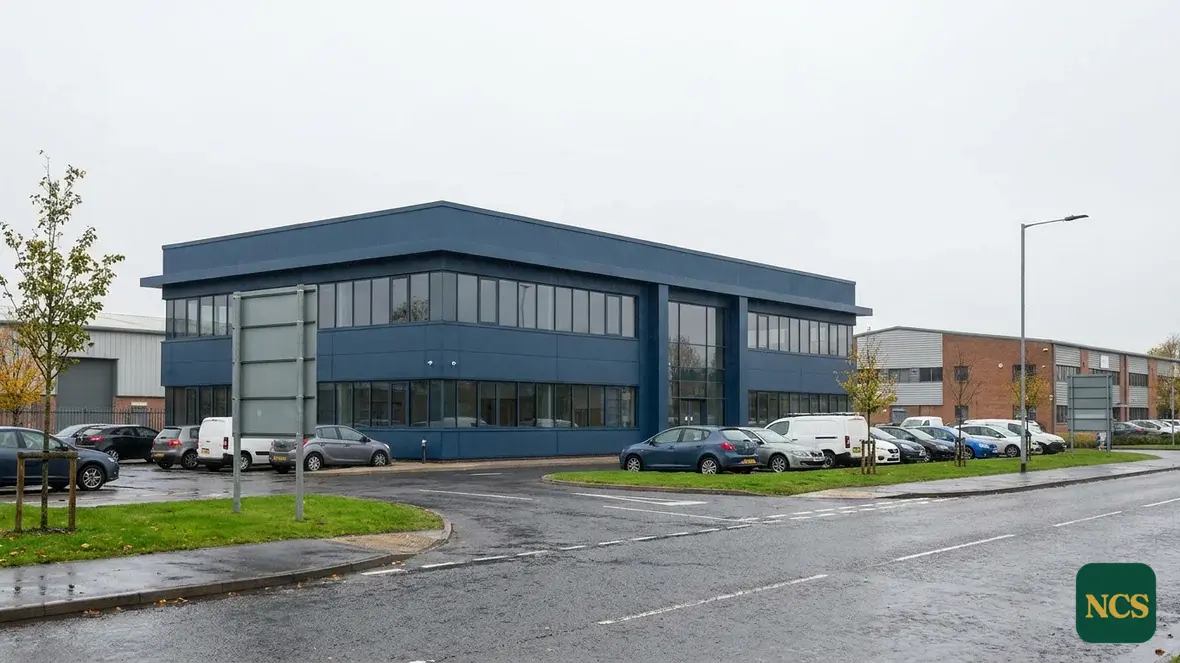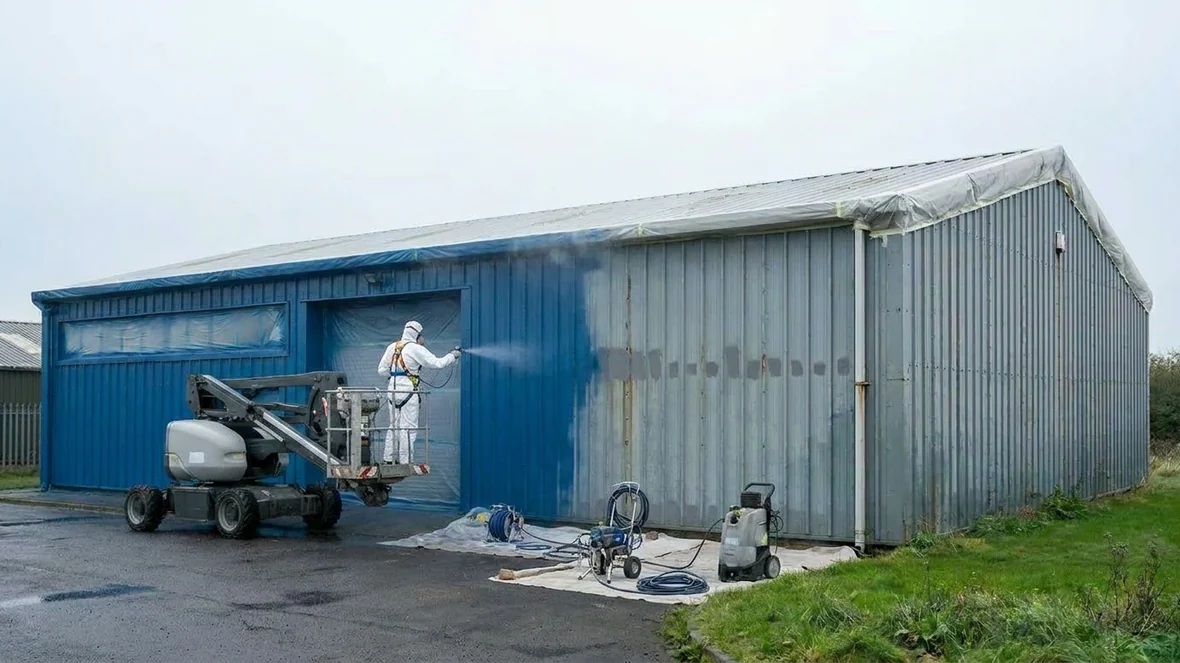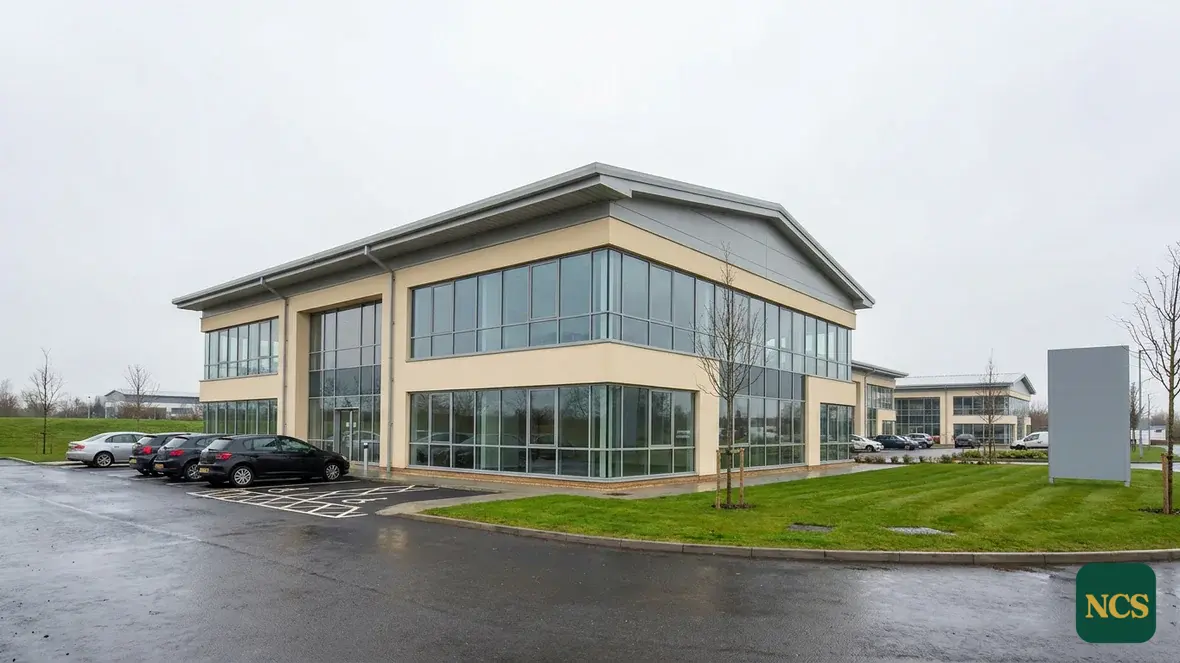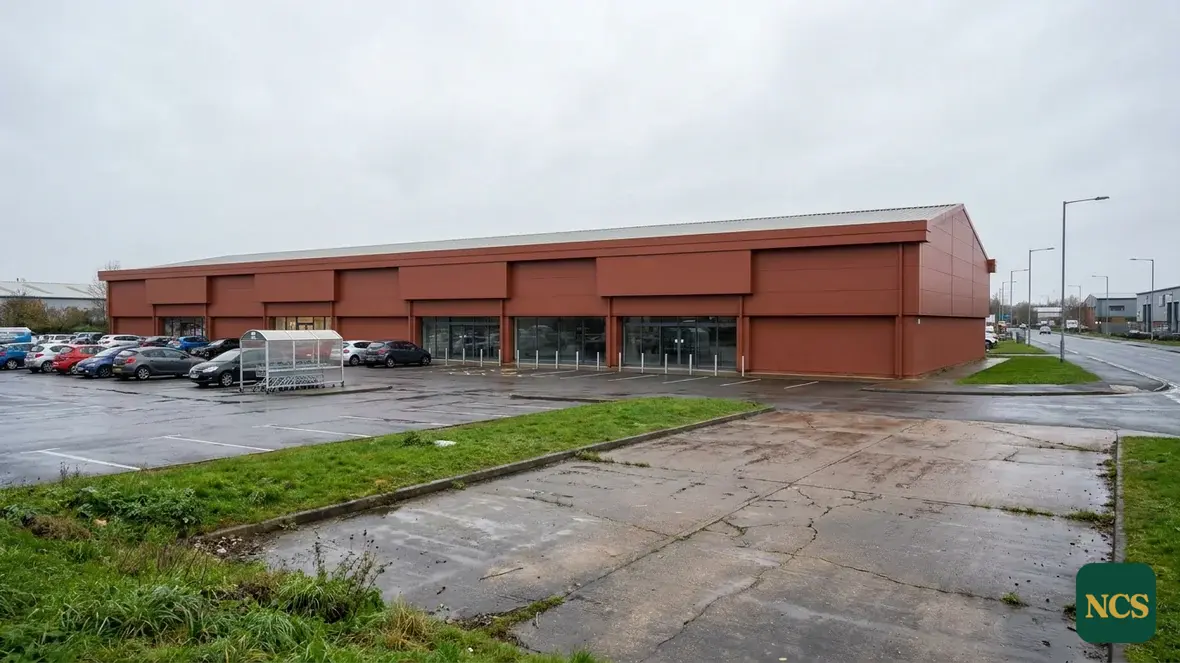
Commercial wall coating in Manchester
Few UK cities will test an exterior finish harder than this one. The rainfall statistics are a running joke locally, but for a building owner they are a maintenance schedule. Water finds every hairline crack, every porous brick and every tired patch of render, and it does so for most of the year. Commercial wall coating in Manchester is less about decoration and more about defence. The right system keeps driving rain out of the masonry, evens out decades of patch repairs and holds its appearance through weather that strips ordinary masonry paint in a few seasons. The wrong system, or the right system on an unprepared wall, fails fast here. That’s why we start every enquiry the same way: with a surveyor standing in front of the building.
First, the cases where we say no
Before describing what coating does well, it’s worth being clear about what it can’t do. A coating won’t dry out a wall that’s wet because of failed gutters, leaking parapets or a bridged cavity; it’ll seal the moisture in. It won’t stabilise render that’s lost its key, and it won’t hold together a facade with live structural movement. Older solid-wall buildings sometimes need a breathable approach or straightforward repointing rather than a film-forming product. And listed buildings or conservation-area frontages need consent conversations before specification. If our survey finds any of these conditions, the report says so plainly, with the repair-first route costed instead.
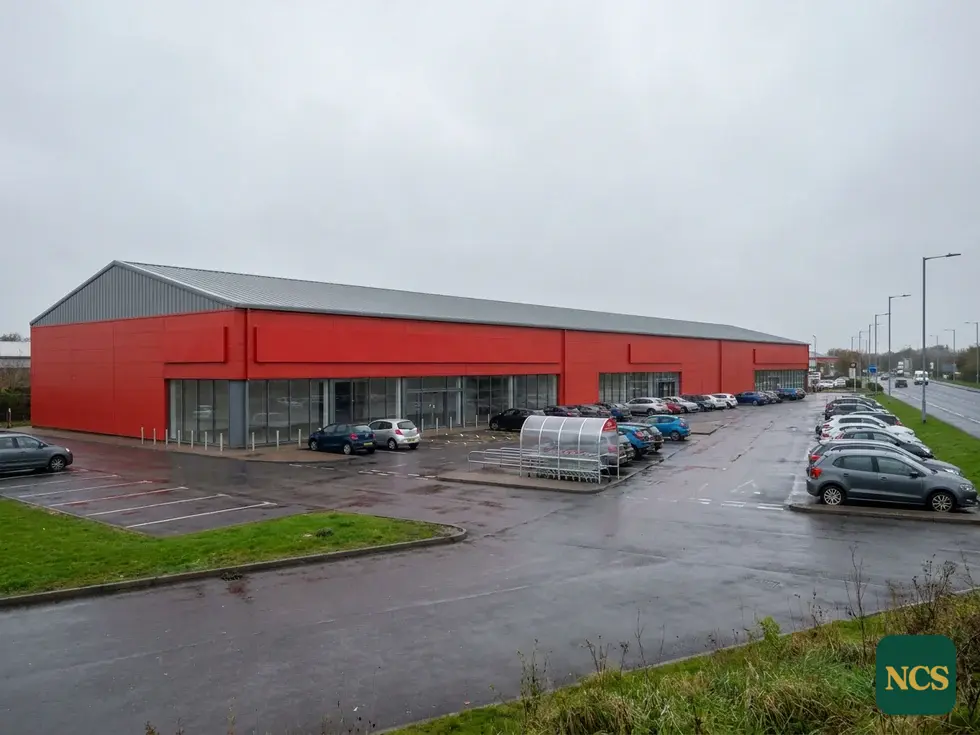
Brick, render and concrete: what Greater Manchester walls are made of
The region’s commercial stock tells its industrial history. Red-brick mills and warehouses, many now offices and workspaces, sit alongside Victorian commercial buildings with soot-darkened masonry, post-war concrete-frame blocks, rendered shop parades and a recent generation of thin-coat render on regeneration schemes. Each substrate weathers in its own way: porous brick drinks in rain on exposed elevations, concrete carbonates and stains, older renders craze and debond in patches, and modern renders fade and chalk well before they fail. A specification that works on one of these walls can be wrong for the one next door, which is why product choice belongs at the end of the survey, not the start of the sales pitch.
Commercial painters around Manchester are easy to find. What the survey adds is a written account of the wall before any paint or coating is named.
From survey to specification
The survey produces a written specification, and that document carries the whole project:
- Preparation method for each elevation, from washing and fungicidal treatment to removal of failed coatings
- An itemised repair schedule covering render, pointing, concrete and sealant defects
- The named coating system and number of coats, matched to substrate and exposure
- Access, sequencing and protection arrangements for a building that keeps trading
- The finish standard the completed work is checked against
That same document-first routine travels with us across the conurbation, covering premises in Salford, Stockport, Bolton and Oldham on identical terms.
Why this discipline pays for itself
Coating failures are rarely product failures; they are diagnosis failures. The contractor who surveys, measures moisture, schedules repairs and writes the specification down has removed the main causes of early breakdown before work begins. For a commercial building in Manchester, that translates into fewer surprises mid-contract, no invented extras, and a finish that still looks specified rather than patched several winters later. If a quote arrives without a survey behind it, you are not really being quoted for your building at all.