



Asbestos roof encapsulation Manchester: a familiar roof on Greater Manchester’s trading estates
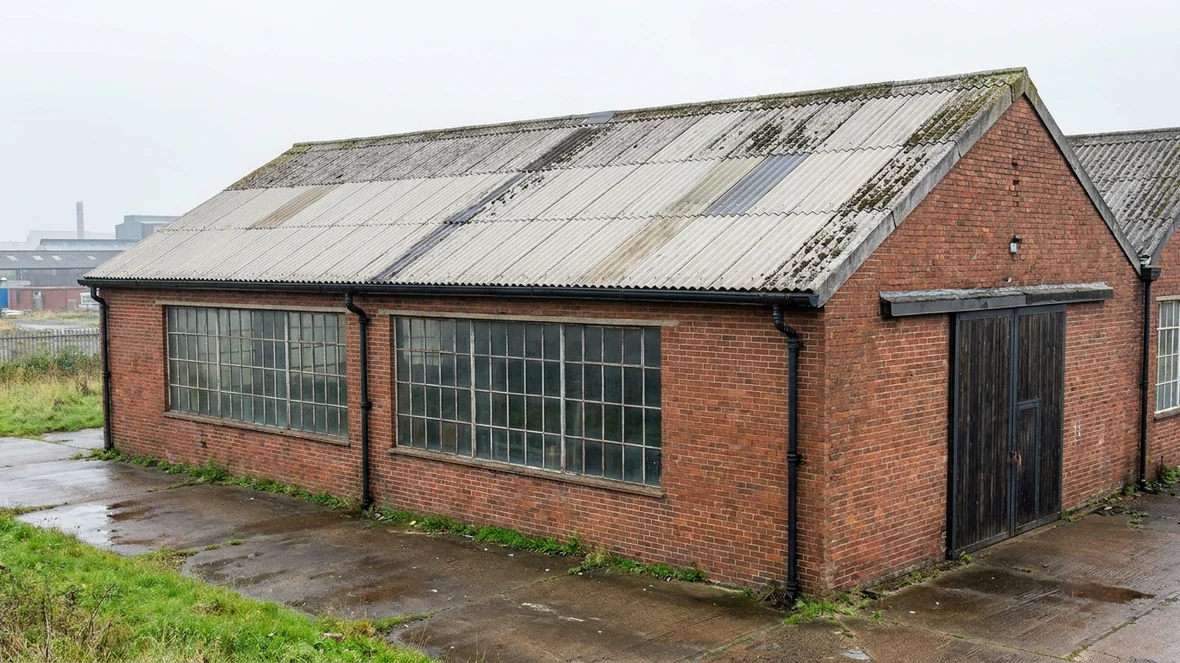
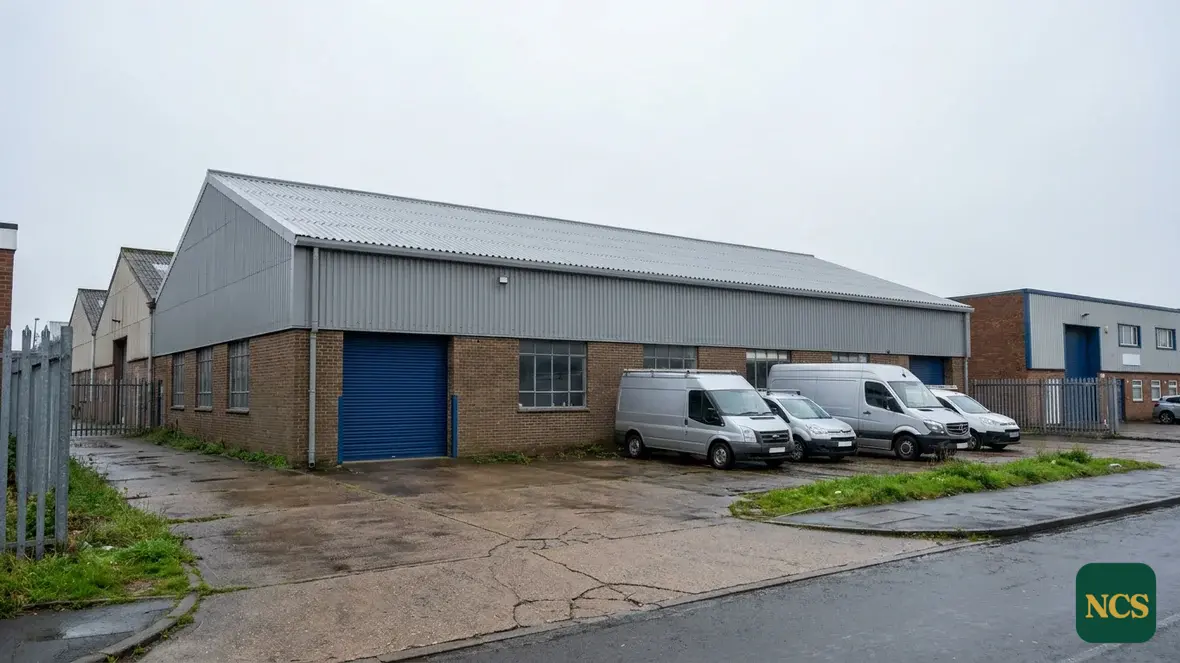
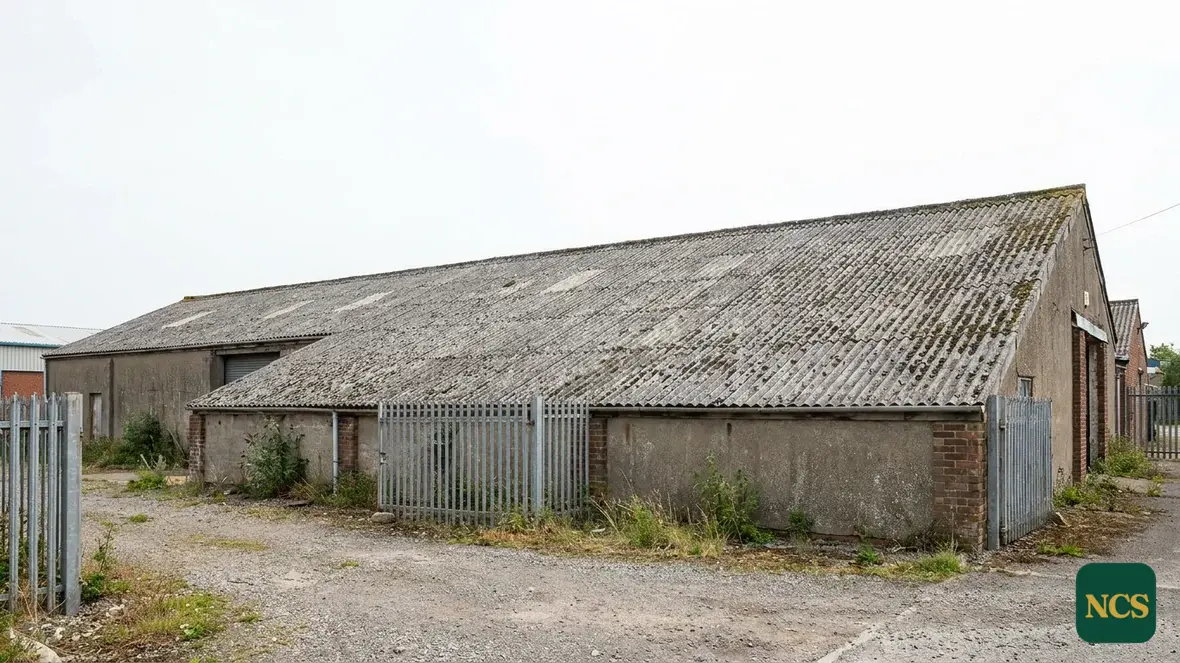
Drive past almost any post-war industrial estate around Manchester and you will see it: grey corrugated sheeting, often streaked with moss and algae, covering post-war units. A great deal of that sheeting is asbestos cement. It has done decades of service in a wet North West climate, and many of those roofs are now at the point where owners have to decide what happens next.
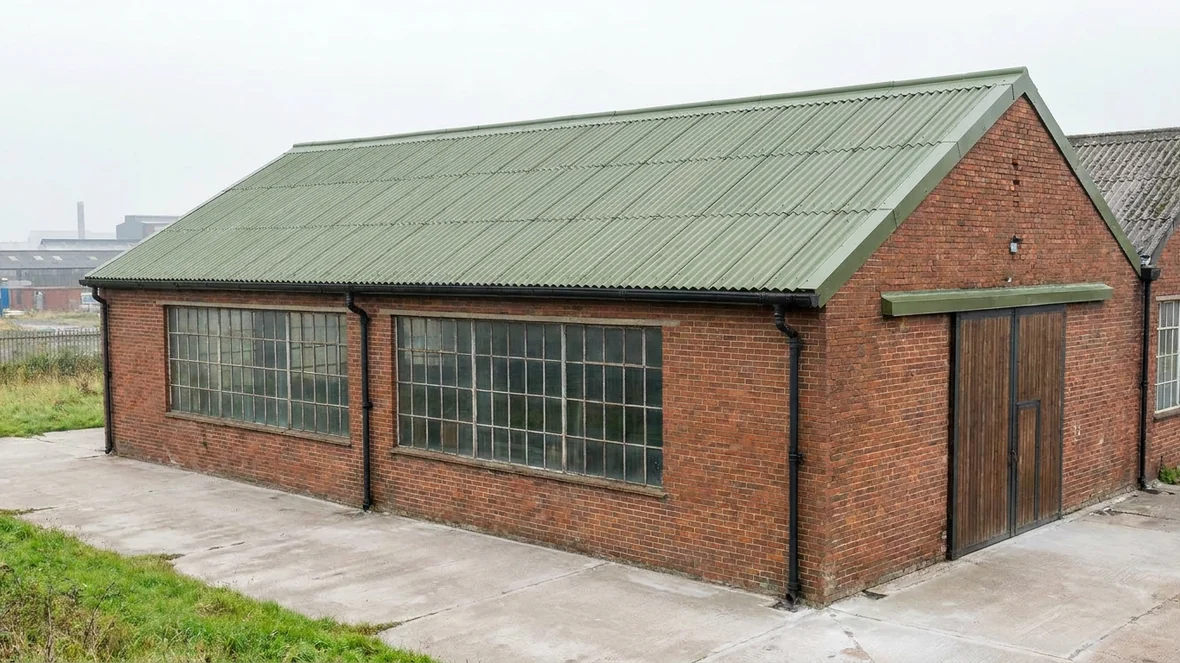
The two realistic options are removal with full re-roofing, or encapsulation: cleaning, repairing and sealing the existing sheets under a coating system built for asbestos cement. Which one is right depends entirely on the condition of the roof. That’s why we survey it first, before we recommend anything.
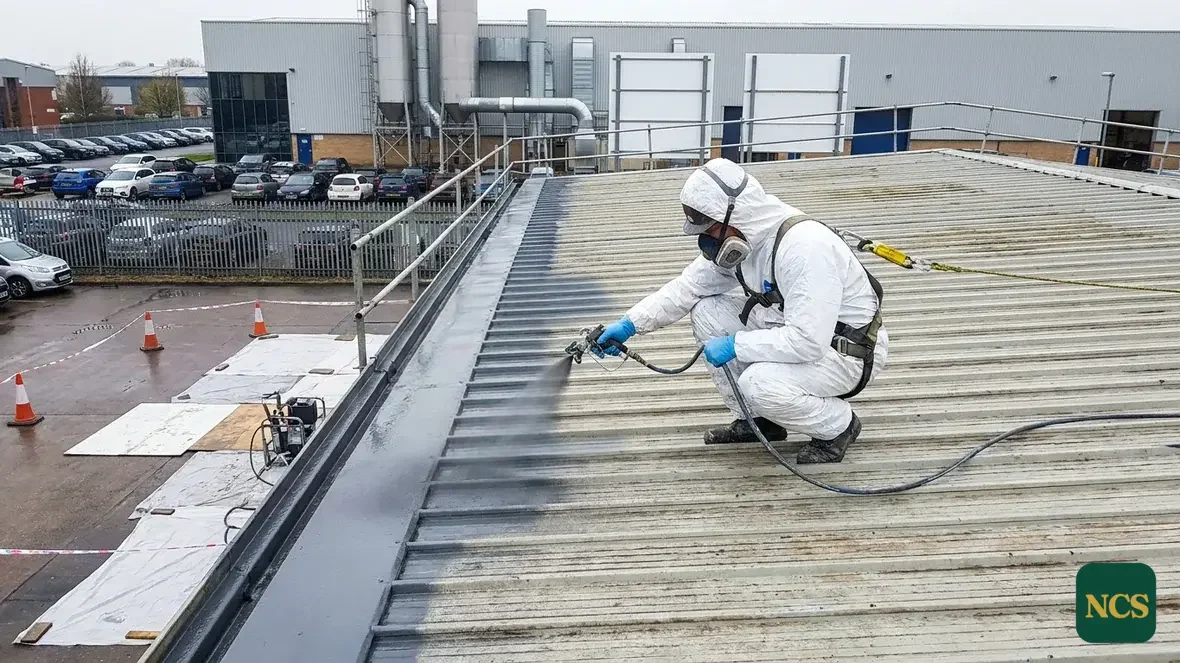
Encapsulation explained: sealing, not stripping
Asbestos cement is only hazardous when fibres can escape. That happens when sheets are broken, drilled or weathered until the surface erodes. Encapsulation deals with that risk at source. We clean the sheets under controlled conditions, repair defects such as failed fixings and cracked laps, and then seal the whole surface. That locks in any fibres and locks out the weather.
The practical advantages over removal are significant. The building stays in use. There’s no strip-out programme to plan around tenants, no skip-loads of asbestos waste to dispose of, and the cost is typically well below a full re-sheet. For an occupied unit in Manchester, keeping the doors open during the work is often the deciding factor.
Around Manchester we encapsulate asbestos cement roofs with encapsulating paint systems made for the job, applied after low-pressure cleaning that leaves the fibres undisturbed.
Where it sits in your asbestos management plan
The Control of Asbestos Regulations 2012 place a duty to manage on whoever controls a non-domestic building. You must know where asbestos is, record its condition, assess the risk and maintain a written plan for managing it. Encapsulating a sound roof is a recognised way of discharging that duty: the material is left undisturbed, its condition is improved, and we document the work in your register and management plan.
What the regulations never ask you to do is panic. A sound, sealed asbestos cement roof can be managed in place for years. Equally, they never let you ignore a deteriorating one.
The practical limits: roofs we will not coat
Encapsulation has a hard boundary, and we hold to it. If sheets are friable, soft, delaminating or extensively broken, a coating cannot rescue them. Coating a failing roof simply buries the problem and wastes your money. In those cases the right advice is licensed removal and replacement, and that is the advice we give, even though it means we do not win the job. Where deterioration is patchy rather than general, the survey may support replacing individual sheets and encapsulating the rest. But only the survey can confirm that.
What a survey visit covers
We are a survey-led contractor, based in the South East and working across the UK. Manchester and the wider North West are well inside our normal range. A survey visit typically establishes:
- The overall condition of the sheets, laps and fixings
- Whether the surface is sound enough to accept a coating system
- Any localised damage that needs repair or sheet replacement first
- Rooflights, flashings and gutters that should be addressed in the same programme
- Whether encapsulation is the right recommendation at all
If your industrial unit, warehouse or farm building near Manchester is carrying an ageing asbestos cement roof, the sensible first step is to request a condition survey. From there, the recommendation follows the evidence, not the other way round.
Asbestos roof encapsulation Manchester: recent work we can show you
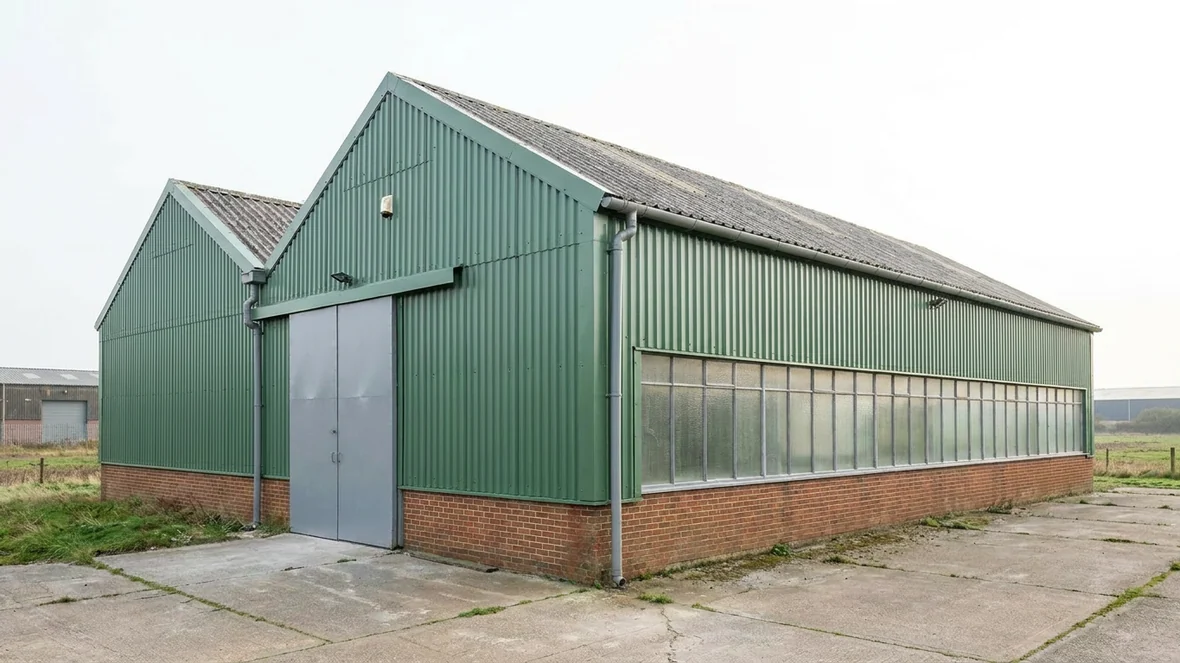
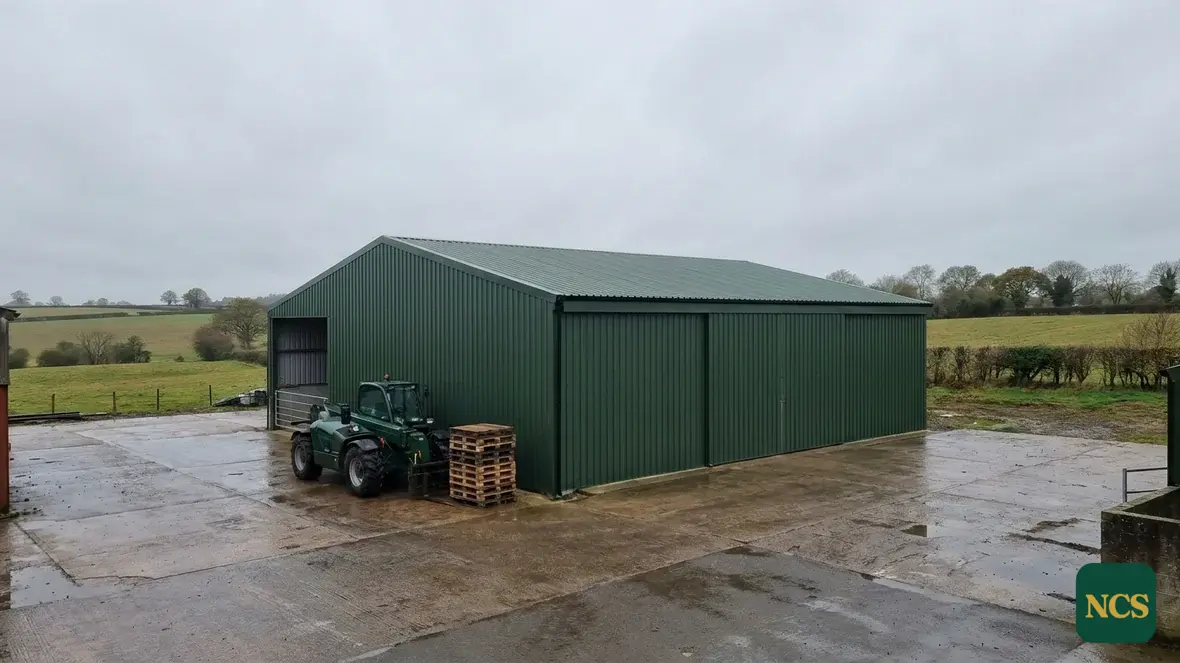
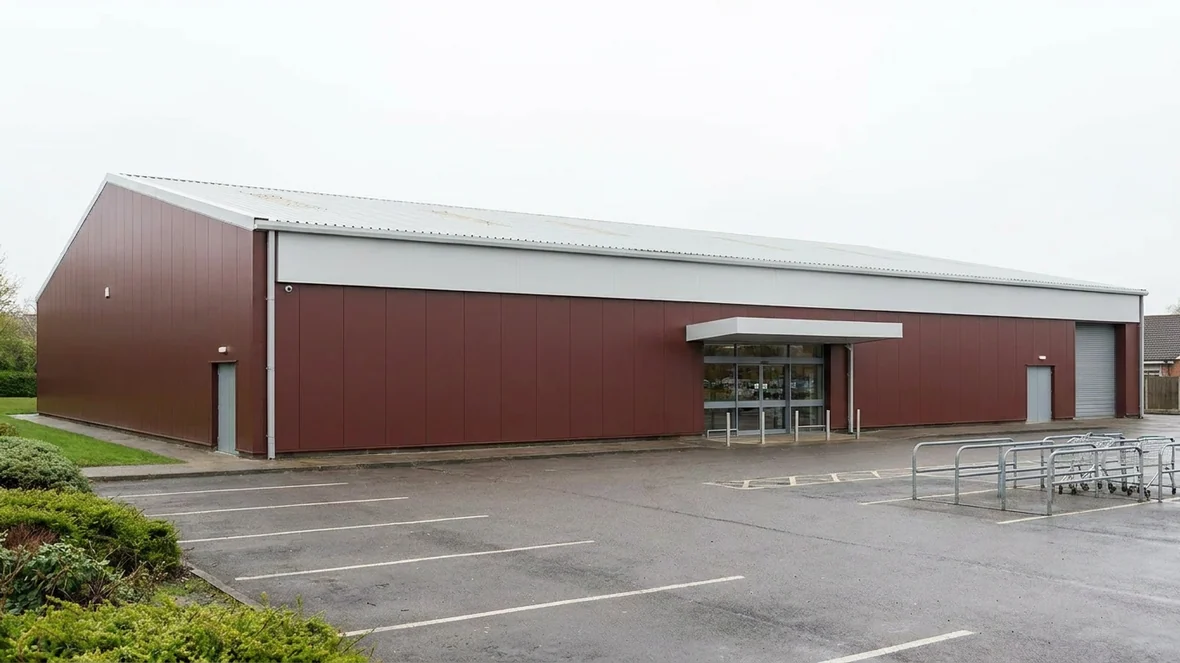
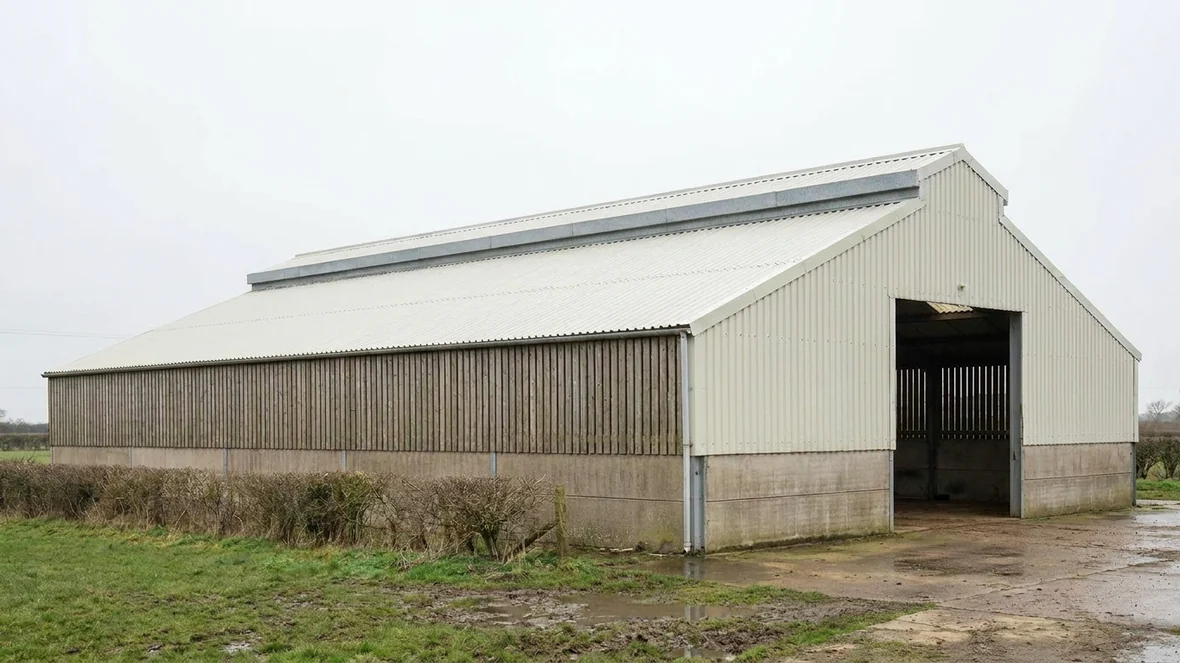
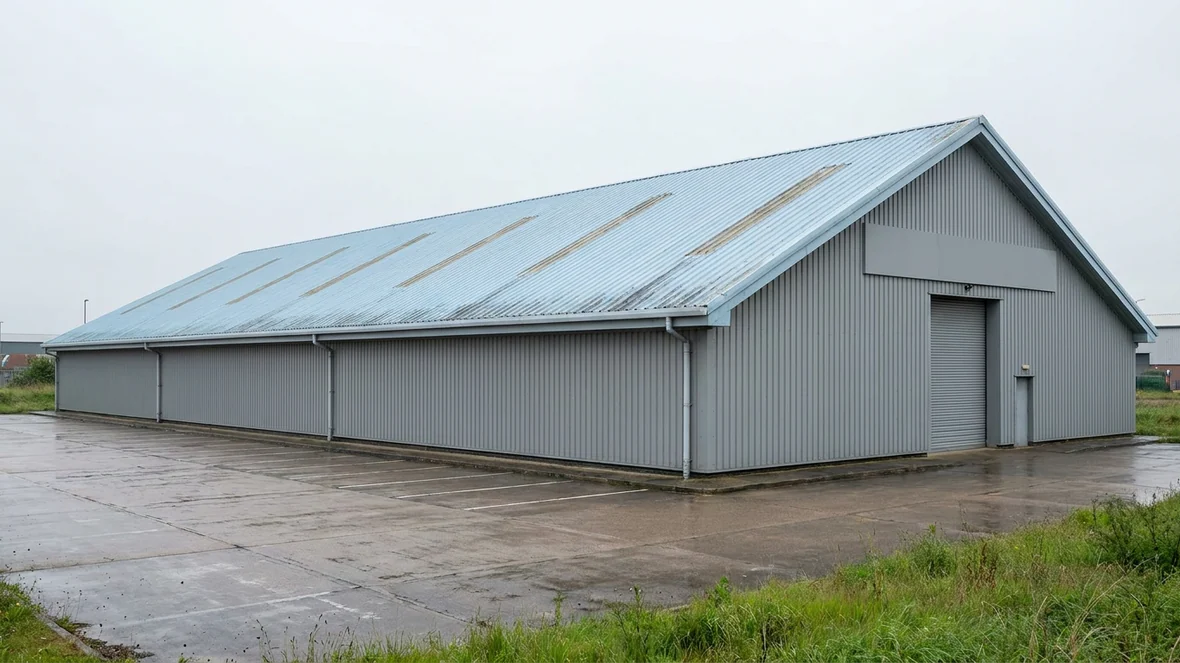
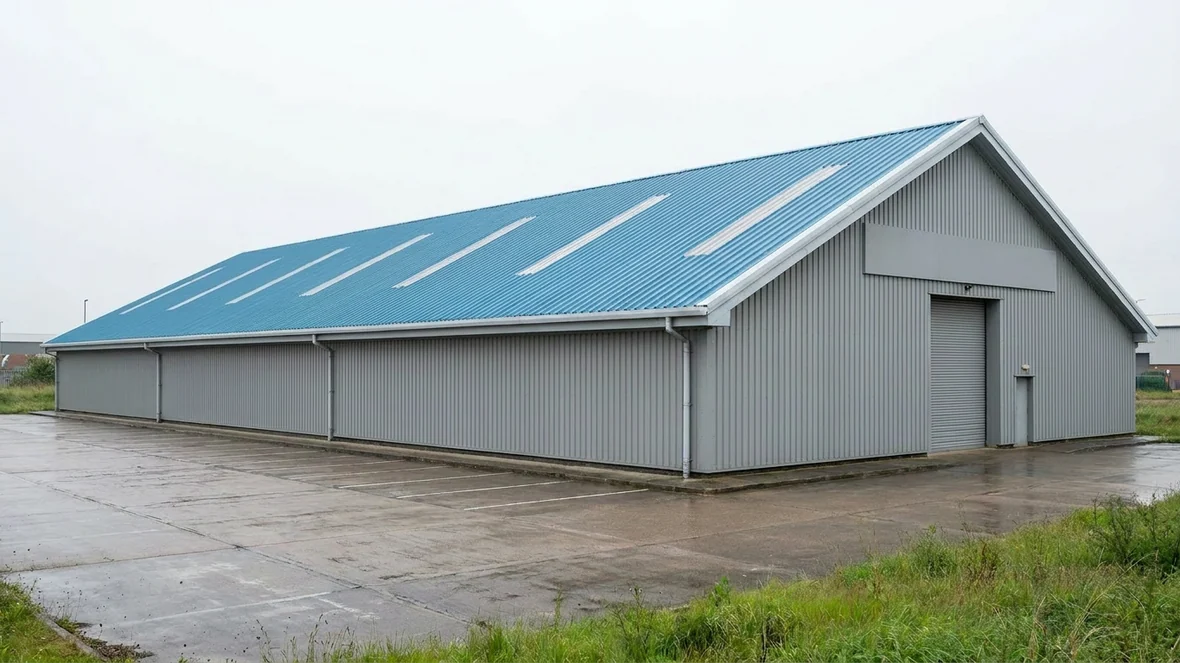
These are our own photographs from jobs of the same type. They are not stock images, and none of them is dressed up as something it is not. The caption tells you where each one was taken.
Standards behind our asbestos roof encapsulation Manchester work
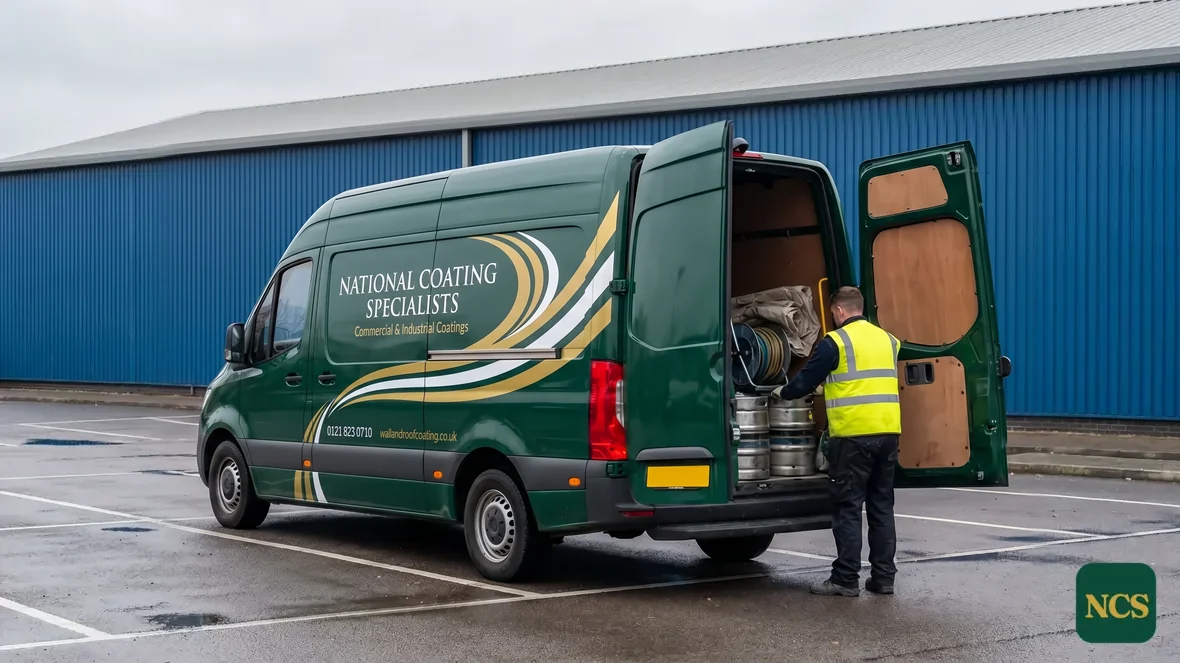
Encapsulation is a management measure under the Control of Asbestos Regulations 2012, not a way around them, and it is covered on our own asbestos roof encapsulation service page. Our teams plan every job around the HSE’s asbestos guidance, and we hold CHAS accreditation so the health and safety paperwork a managing agent or estates team asks for is ready before the first van arrives.
Common questions about asbestos roof encapsulation Manchester
Can an asbestos cement roof be coated safely?
Yes, provided the sheets remain suitable for treatment and the work follows a roof-specific risk assessment and method statement. We first assess the condition of the asbestos cement, the supporting structure, access requirements and the likelihood of disturbing fibres. Preparation must avoid aggressive abrasion and uncontrolled cleaning. Run-off, debris and waste also need to be contained and handled correctly.
Does encapsulation stop an asbestos roof leaking?
Encapsulation can help weatherproof a roof when leaks arise from treatable defects such as porous sheet surfaces, tired laps, failed seals or local fixing issues. It will not compensate for badly fractured sheets, structural movement or an unsuitable roof design. We locate the likely routes of water ingress before deciding whether local repairs and coating provide a credible solution.
Do I need to remove asbestos before coating the roof?
No. The purpose of encapsulation is to retain suitable asbestos cement sheets and apply a protective coating system over the prepared surface. The asbestos remains in place, so it must still appear in the building’s asbestos register and management arrangements. Any sheets that are too damaged to retain may require controlled removal and replacement before the wider roof is coated.
How long does asbestos roof encapsulation last?
There is no responsible single answer. Service life depends on the existing sheet condition, preparation standard, roof exposure, drainage, coating specification and later maintenance. Valleys, laps, penetrations and areas beneath persistent discharge often deteriorate sooner than open roof slopes. We therefore base recommendations on the surveyed roof rather than a generic lifespan.
Can a commercial building remain in use during encapsulation?
Often it can, but continued occupation depends on access, air intakes, loading areas, internal sensitivity and the agreed method of working. We plan exclusion zones, protect nearby surfaces and control cleaning residues. Where activities below the roof create additional risk, phased working or temporary restrictions may be necessary.
Asbestos roof coating or replacement: which is the better option?
For many buildings, asbestos roof encapsulation in Manchester offers a practical way to retain serviceable sheets, improve weather resistance and avoid the disruption of wholesale removal. It can be appropriate where the roof is structurally stable, defects are repairable and the existing covering can be prepared without unacceptable disturbance.
Coating is not automatically the better choice. It retains the asbestos cement and does not correct every structural, thermal or design limitation. Future roof access must still be managed, and the presence of asbestos must remain documented.
Coating is usually worth considering when:
- the sheets are broadly sound and securely supported;
- damage is local rather than widespread;
- laps, fixings and penetrations can be repaired effectively;
- the surface can be cleaned and prepared using controlled methods;
- the building owner wishes to reduce disruption to operations; and
- the roof layout and drainage remain suitable for continued use.
Replacement is usually the stronger choice when:
- there are extensive cracks, broken sheets or severe surface breakdown;
- the supporting structure requires major alteration or repair;
- water ingress is caused by fundamental roof geometry or persistent movement;
- the building needs substantial improvements to insulation, daylighting or ventilation;
- a refurbishment will introduce new plant, penetrations or loading requirements;
- large areas would need replacement before coating could begin; or
- the intended remaining life or future use of the building makes continued asbestos management impractical.
In those circumstances, replacement wins because it deals with the roof as a whole rather than preserving a covering that is already near the end of its useful condition. Our role is to distinguish a maintainable asbestos cement roof from one that would merely receive a cosmetic treatment.
How we prepare roof details before encapsulation
The broad roof surface is rarely the most difficult part of an encapsulation scheme. Lasting performance depends heavily on junctions, fixings, laps, penetrations and drainage paths. We record these details during the survey and build them into the repair and coating specification.
Cleaning and surface preparation
We select preparation methods according to the condition of the asbestos cement. Loose dirt, organic growth and poorly adhered previous coatings must be dealt with, but the sheets must not be aggressively abraded. Cleaning residues and water require controlled collection so contaminated material is not spread around the site or allowed to enter drainage without suitable controls.
Fixings and sheet laps
Loose, corroded or failed fixings can permit movement and water entry. We inspect fixing lines and the condition of sealing components rather than simply coating over them. Side laps and end laps are checked for gaps, movement and failed previous repairs. Where detailing work is needed, it is completed with materials compatible with the main coating specification.
Cracks, holes and fragile areas
Encapsulation is not a substitute for sound repair. We identify cracks, impact damage and weakened edges before coating begins. Minor defects may be suitable for a specified local repair, while seriously damaged sheets may need controlled replacement. Access planning is particularly important because asbestos cement roofs are fragile regardless of how sound they appear from ground level.
Rooflights, penetrations and abutments
Rooflights, vents, ducts, parapets and wall abutments create changes in movement and drainage. We check these interfaces for failed seals, open joints and trapped water. Coating should follow a properly formed detail; it should not be expected to bridge unsupported gaps or conceal defective flashings.
Gutters and drainage
A coated roof still relies on clear, correctly aligned drainage. We inspect gutters, outlets, valleys and discharge points for blockage, corrosion and signs of overflow. Persistent ponding or water running back beneath sheet ends should be corrected where practicable before encapsulation. This avoids asking the coating to withstand a defect that remains active beneath it.
Application conditions and inspection
Roof temperature, moisture, wind and the likelihood of rain all affect application. We do not apply over a damp or poorly prepared surface simply to maintain programme. Coverage is checked across open sheets and detailed areas, with particular attention to edges and changes in profile. Final inspection also records any locations that will require planned monitoring during later roof maintenance.