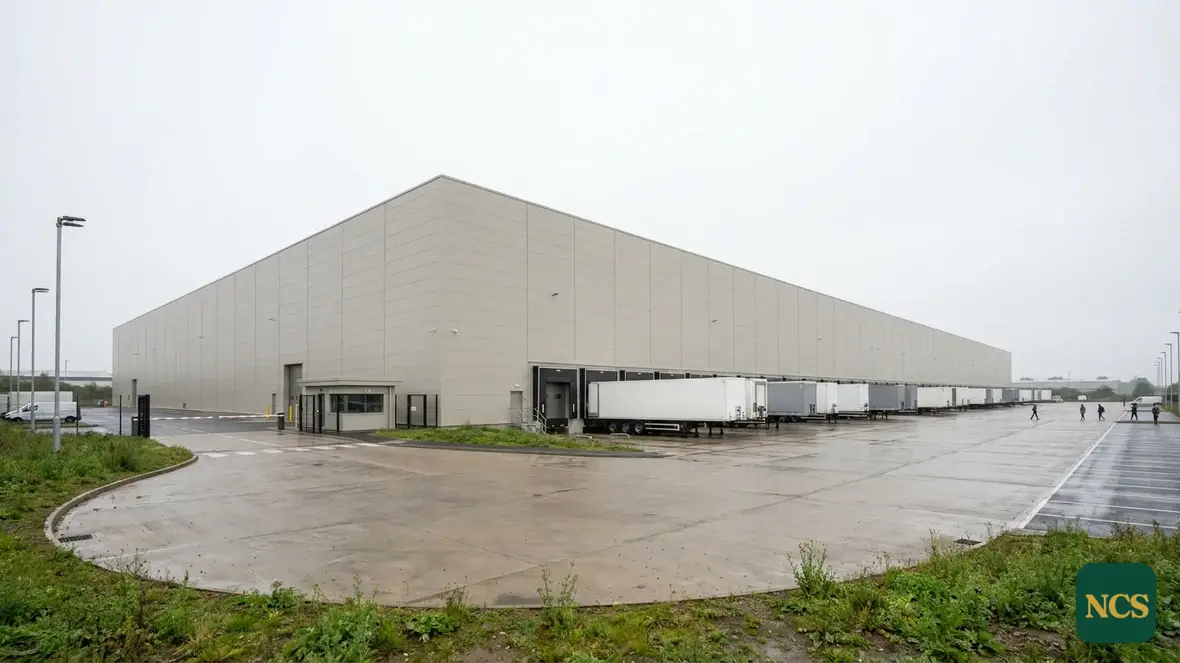
Commercial roof coating in Manchester
Manchester’s rainfall is a running joke locally and a genuine engineering problem on a flat roof. Water that sits, tracks and freezes finds every weak lap, blister and fixing, which is why commercial roofs here tend to show their age sooner than the calendar suggests. Commercial roof coating in Manchester deals with that ageing on its own terms: the sound structure stays, the worn surface is renewed, and the building keeps working throughout. We’ll only put a system forward after a survey has shown the roof can actually carry it.
Greater Manchester’s commercial stock, roof by roof
The region’s buildings tell its industrial story. Converted mills and Victorian warehouses carry layered flat roofs and ageing pitched coverings. Post-war factories and depots brought asbestos cement sheeting, much of it still in service today. The trading estates and distribution parks that ring the city added steel-framed units with profiled metal roofs, now anywhere from ten to fifty years old.
Across Greater Manchester those materials fail in predictable ways: cut edge corrosion and lap failure on metal, saturation and blistering on felt and asphalt, porosity and moss growth on cement sheets. A correctly specified coating system arrests all of them, but only where the substrate beneath remains sound. That single condition is what every survey we carry out exists to test.
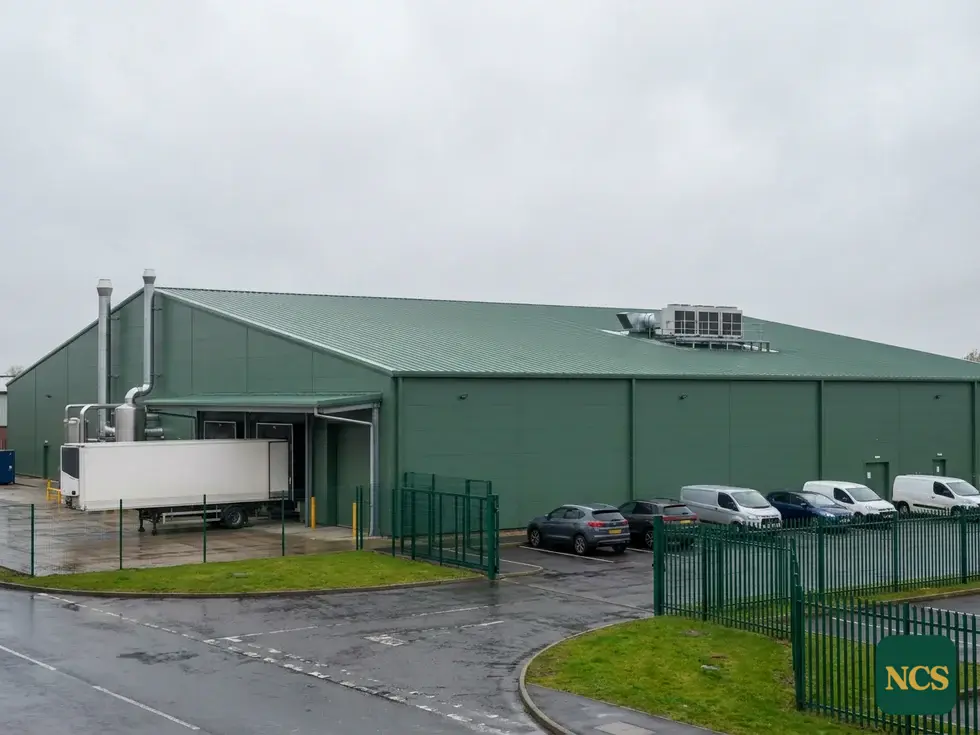
Survey first: how we work
Every job starts on the roof. We get up there and inspect the covering physically. We’ll take moisture readings, check laps, fixings, gutters, rooflights and flashings, and build a photographic record of the defects as we go. We carry out surveys across Greater Manchester, including Salford, Stockport, Bolton and Oldham. Access arrangements, tenant disruption and realistic weather windows are all weighed up at the survey stage too, so the programme you eventually see reflects how the building actually operates, not how a spreadsheet wishes it did. From there you receive a written report with a clear recommendation: coat, repair first, or do not coat at all.
If coating is right for the building, the report specifies the preparation in detail, because in a wet climate preparation is most of the job. Cleaning, corrosion treatment, lap sealing and localised repair all come before a single coat is applied, and each step is written down so you can hold us to it.
We take on roof painting work across Manchester in plain terms, but the specification is always a coating system matched to the sheet, never a cosmetic overpaint.
When coating is the wrong answer here
Rain exposes weak decisions quickly in this part of the country, so we are blunt about the limits. We advise against coating where moisture readings show saturated insulation, where decking has deteriorated structurally, where metal sheets are perforated across whole areas, or where ponding comes from deflection rather than surface wear. Coating those roofs would be selling you a delay dressed up as a repair. The honest alternative, usually replacement of part or all of the roof, goes in the report instead, and you are free to act on it with whichever contractor you prefer.
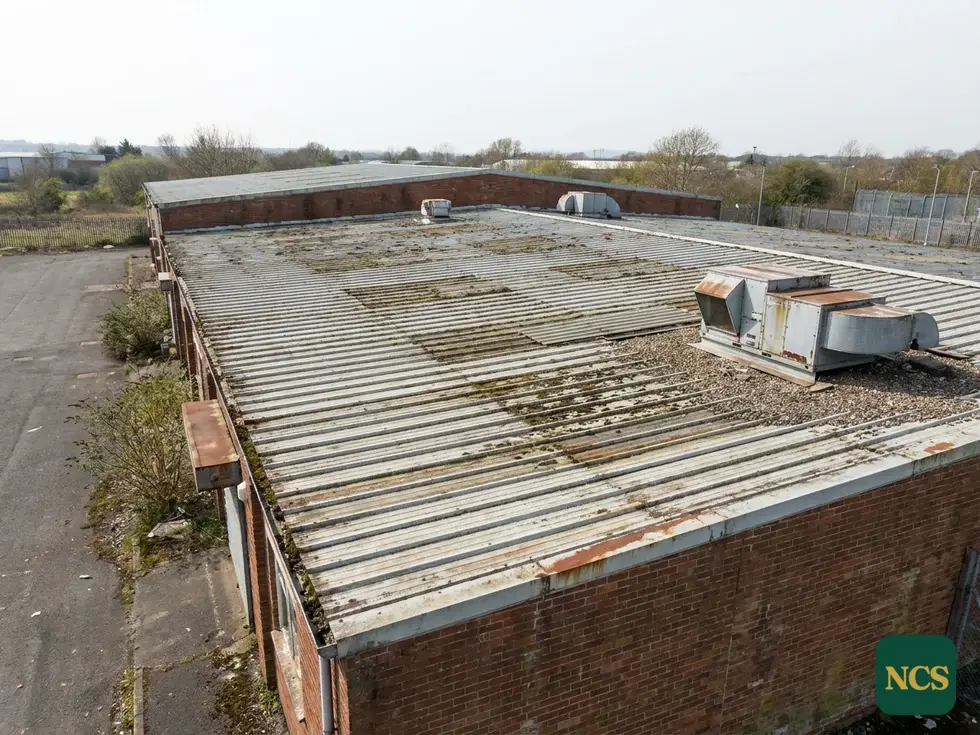
What survey-led contracting gives a building owner
It gives you the evidence before the invoice. The condition of your roof is measured and photographed, the recommendation follows from those findings, and the price follows from the recommendation. Nothing is reversed, rushed or assumed, and nothing is specified that the roof itself does not justify.
For owners and agents managing hard-worked buildings in one of England’s wettest major cities, that order of operations is not a luxury. It’s the minimum standard worth accepting. If your roof is overdue an honest assessment, a survey is the place to start, and it commits you to nothing beyond hearing the truth about your own building.