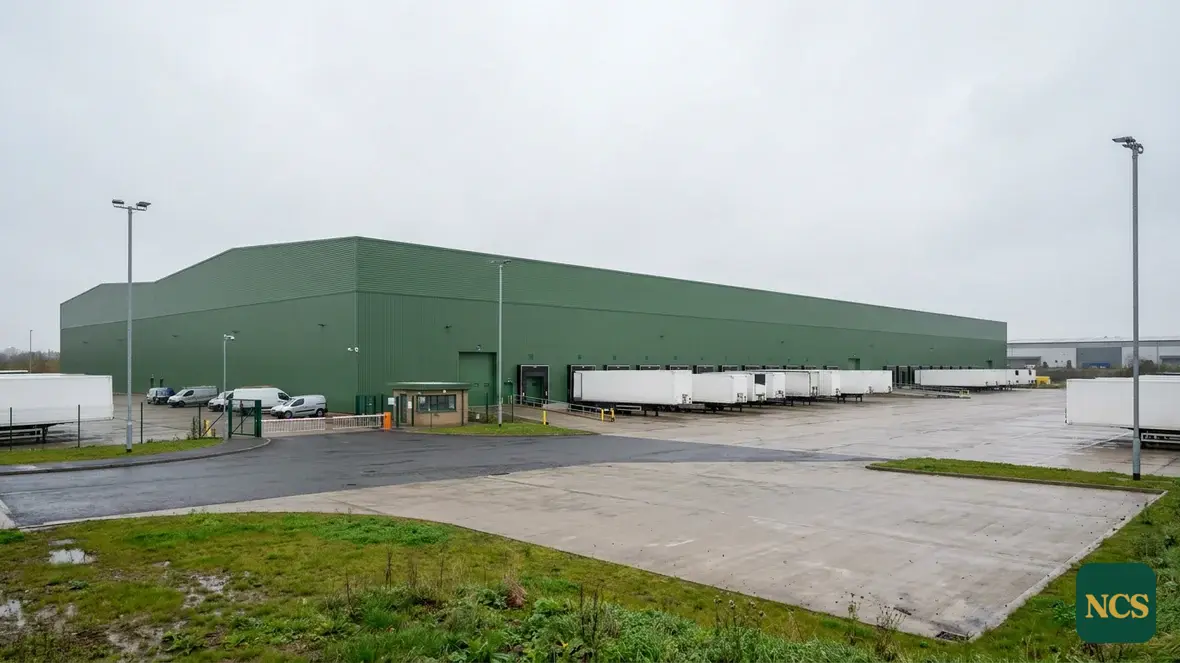
Stoke-on-Trent’s industrial map has changed shape over the years. The ceramics industry left its mark across the six towns, but the growth since the 1990s has been in warehousing and distribution along the A50 and A500 corridors, and in the manufacturing units that fill the estates between them. The common denominator is profiled metal roofing, much of it installed twenty to forty years ago and now showing its age. For the facilities and estates teams responsible for those buildings, the question is rarely whether the roof needs attention. It is what kind of attention, and at what cost.
Industrial roofs across the six towns
From Tunstall down to Longton, the industrial stock around Stoke-on-Trent is a mix: older factory buildings that have been re-clad or extended, 1980s and 1990s steel portal frame sheds, and newer big-box units serving the motorway network. We specialise in industrial roof coatings for the metal-roofed majority of that stock. We are based in the South East and operate across the UK, and our work is survey-led: the condition of your roof decides the recommendation, not a sales target.
What we typically find up there
Most profiled metal roofs of this age tell a similar story once you get close to them:
- The original factory finish is chalked, faded or flaking back to bare metal.
- Cut-edge corrosion runs along sheet overlaps and eaves.
- Fixings are backed out, rusted or missing their washers.
- Rooflights have gone brittle, cracked or are leaking at the laps.
- Gutters are holding water, debris or show early signs of corrosion.
Individually these are small defects. Together they are how a roof fails: slowly, then suddenly, usually over a stores area or a production line in the wettest week of the year. An industrial roof coating system, applied after proper preparation and repairs, deals with all of them in one planned programme rather than a string of emergency call-outs.

When a coating is the wrong spend
Some roofs are too far gone, and pretending otherwise helps nobody. If our survey finds sheets rusted through, widespread perforation, soaked insulation or structural problems with the deck, we will tell you that coating would be money wasted and that replacement is the honest answer. There are grey areas too: a roof where most areas will coat well but one elevation needs sheets replaced first, or where gutters are the real priority and coating can wait a year. We set those options out rather than forcing a single answer. Either way, you get the assessment in writing and can do with it as you wish. We would rather give Stoke-on-Trent businesses a recommendation they can trust than win a job the roof cannot support.
Planning around production and despatch
The buildings we coat are rarely empty. Production lines, despatch operations and warehouse picking carry on underneath while we work, because coating is an external job: no strip-off, no exposed deck, no halt to the business below. We plan the programme with your facilities team before work starts, agreeing access positions, working zones and any sensitive timings, and we phase across the roof so loading doors and yard circulation stay open. For sites running around the clock, that planning matters as much as the coating itself.
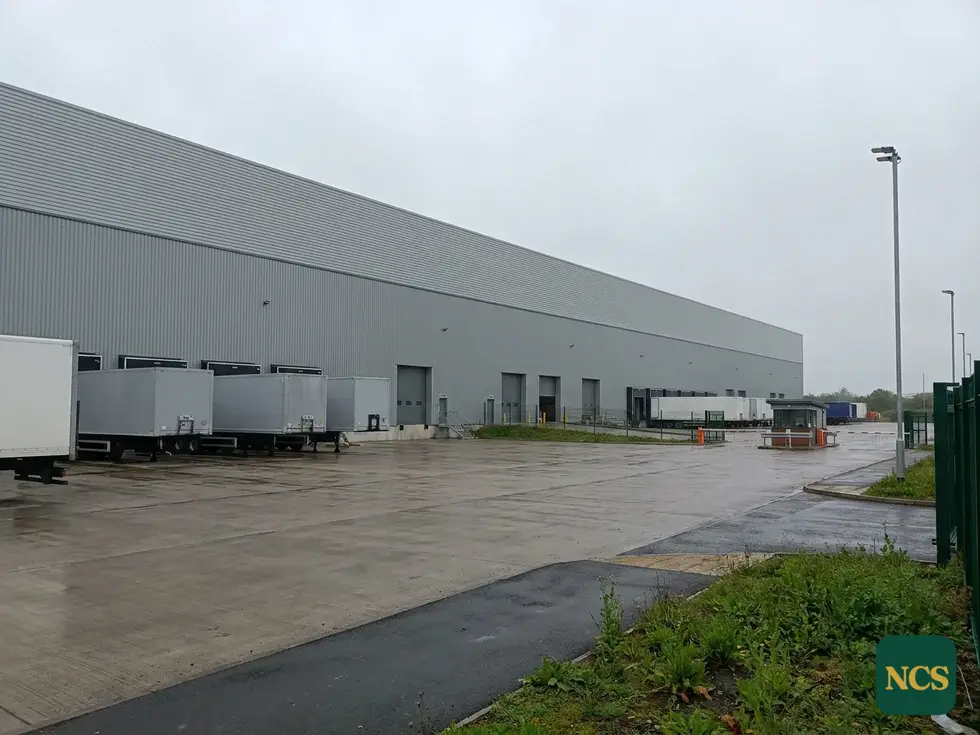
Survey-led, not sales-led
The process begins with a detailed roof survey at close quarters. You receive a photographic report, a clear statement of whether the roof is a sound candidate for industrial roof coatings, and a specification for the work we propose, covering preparation, repairs and the coating system itself. Nothing is quoted from the ground or from an aerial photo. If you look after an industrial building in Stoke-on-Trent, or anywhere in Staffordshire, send us the details and we will arrange the survey. It is a far better starting point than waiting for the next leak to choose the timing for you.