Commercial roof coating in Stoke-on-Trent
The Potteries built more factory space than almost any city of its size. We’ve seen a remarkable amount of it still working. Often, commercial roof coating in Stoke-on-Trent is what keeps those buildings viable. A sound but weathered roof gets a renewed waterproof surface for a fraction of what replacement costs, with no need to clear out the business underneath while we’re working. The same goes for the newer distribution sheds that have cropped up along the A50 and M6. Either way, the big question is always the condition of the substrate. We answer that on the roof, by survey, before we quote anything in Staffordshire.
From kiln-era brick to modern logistics sheds
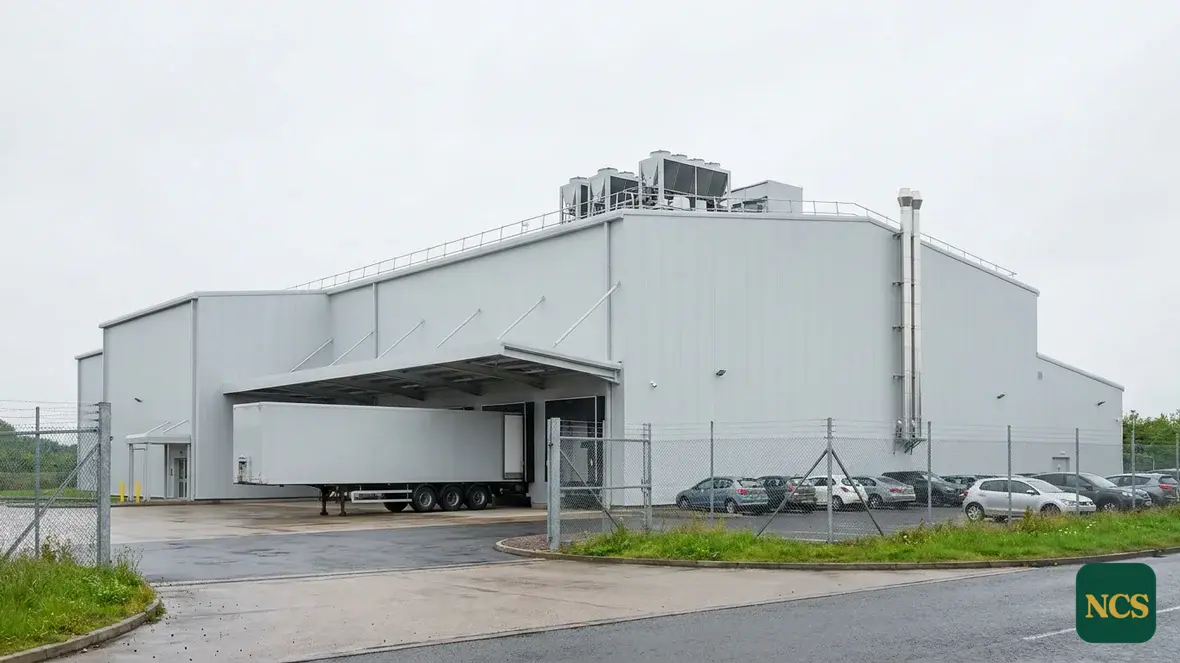
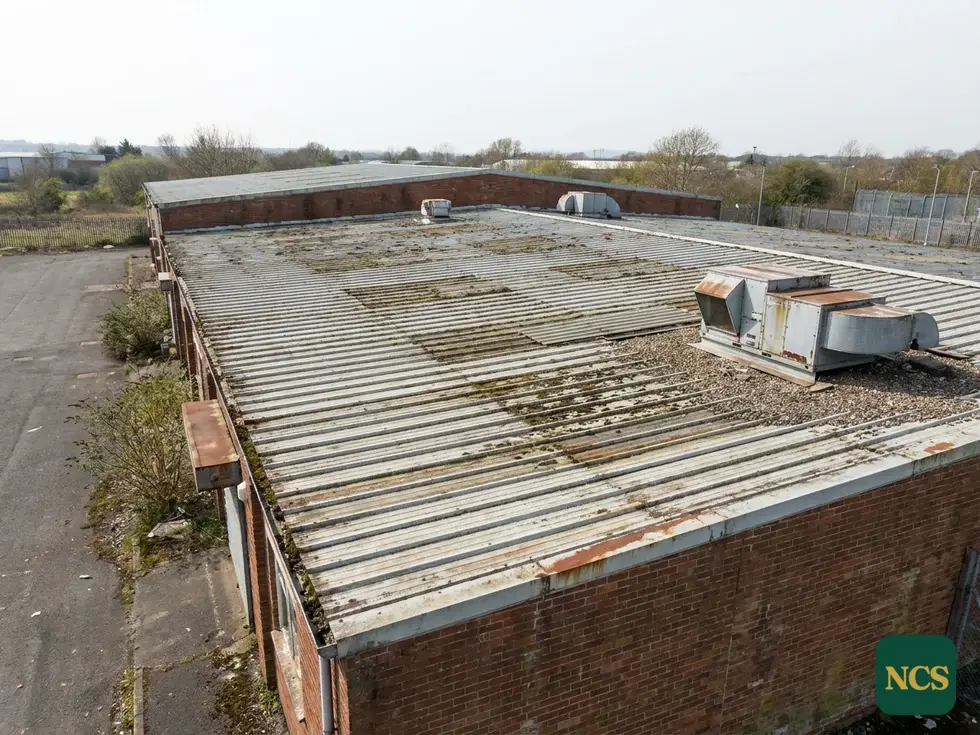
The six towns hold an unusually wide span of commercial building ages. At one end, you’ve got Victorian and early twentieth-century brick factories and warehouses, many now split into workshops and trade units. They usually carry felt flat roofs or ageing asbestos cement sheeting. At the other end, we see large modern warehouses with profiled steel roofs. There, cut-edge corrosion, failed lap seals and chalked finishes arrive right on schedule after a couple of decades of weather. Coating systems exist for all these substrates, but they’re different systems with different prep. That’s why identifying the substrate correctly is half the job done well. Gutters deserve a mention too. On both the old stock and the new, blocked or corroded gutter runs are behind a surprising share of the leaks we’re first called about. Treating the roof while ignoring them solves nothing.
For building owners in Stoke-on-Trent weighing up roof painting against replacement, the survey settles it honestly, and we say so when coating is the wrong answer.
What we will not coat
Older industrial stock fails in ways no coating fixes, so here’s the honest list first. We won’t coat steel that’s corroded through; there’s nothing sound left for the coating to bond to. We won’t coat asbestos cement that’s gone brittle; preparing it is unsafe and the sheet won’t carry the system. We won’t seal over flat roofs with saturated insulation; trapped moisture destroys the deck from below. And we won’t coat over problems from structural movement or failed falls. If our survey finds these conditions, we’ll recommend repair, overlay or replacement instead, and we’ll explain why in writing.
The survey-led process, step by step
It starts with an inspection: sheets or membrane, laps and fixings, flashings, rooflights, gutters, and the inside of the building for staining and other leak evidence. The findings become a written recommendation. If coating is the right call, we’ll give you a specification covering preparation, repairs and the coating system itself. We schedule work around your business, not the other way around. From Stoke-on-Trent, we cover the surrounding towns as a matter of course, including Newcastle-under-Lyme, Stafford, Crewe and Leek.
- Substrate identified and condition documented before pricing.
- Corrosion treatment and lap repairs built into the specification.
- Different systems for steel, asbestos cement and felt roofs.
- Phased work that keeps factories and warehouses running.
- A clear no, with reasons, when coating is the wrong move.
Why survey-led is the standard to demand
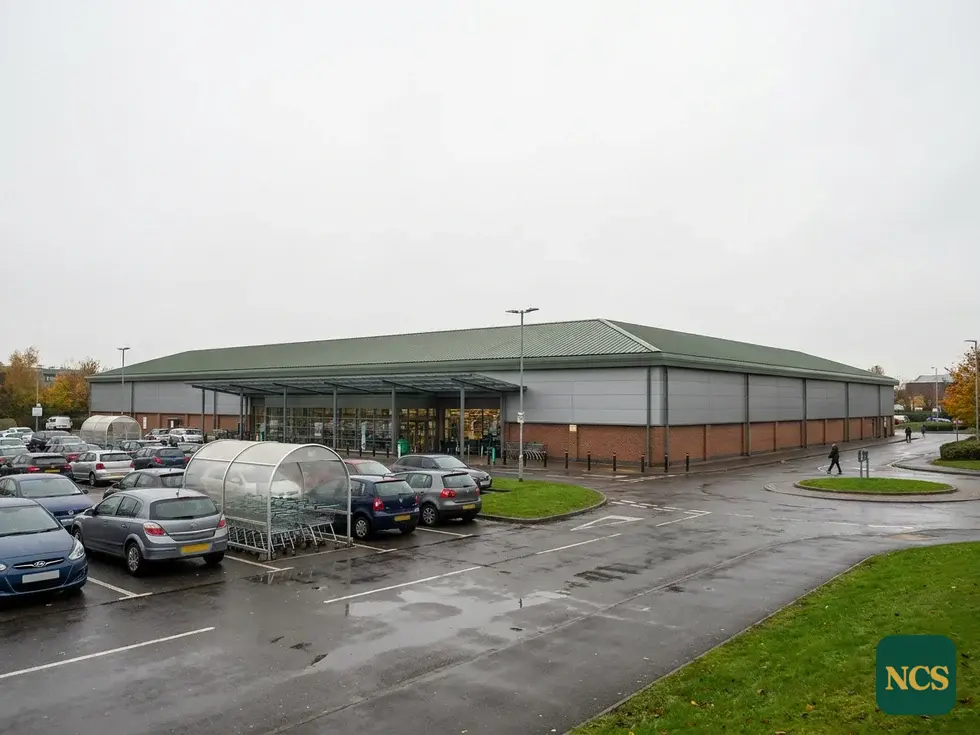
On buildings this varied, quote-first contracting is guesswork with a price attached. The contractor who hasn’t stood on your roof doesn’t know whether it needs a wash and a coat or three days of corrosion treatment first. The difference between those two jobs is enormous in both cost and outcome. Survey-led contracting puts the evidence before the number: documented condition, written specification, then a price that reflects both. For commercial buildings across Stoke-on-Trent, that order of operations is what separates a coating that lasts from one that just looks finished on handover day.