Cladding spraying in Stoke-on-Trent
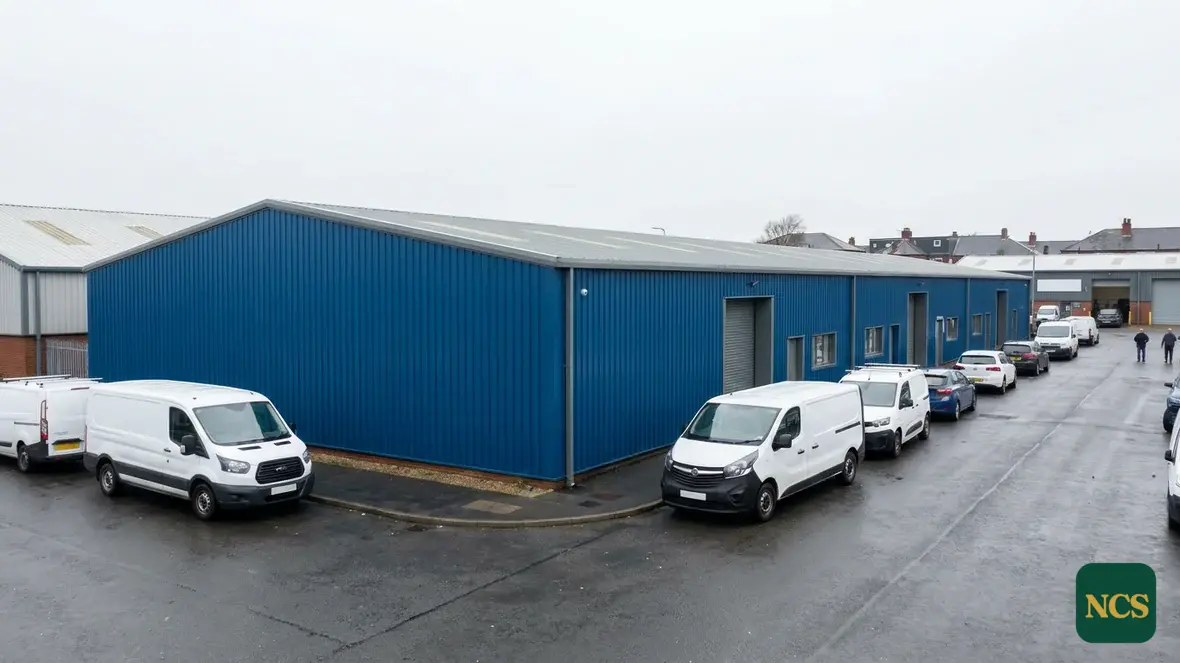
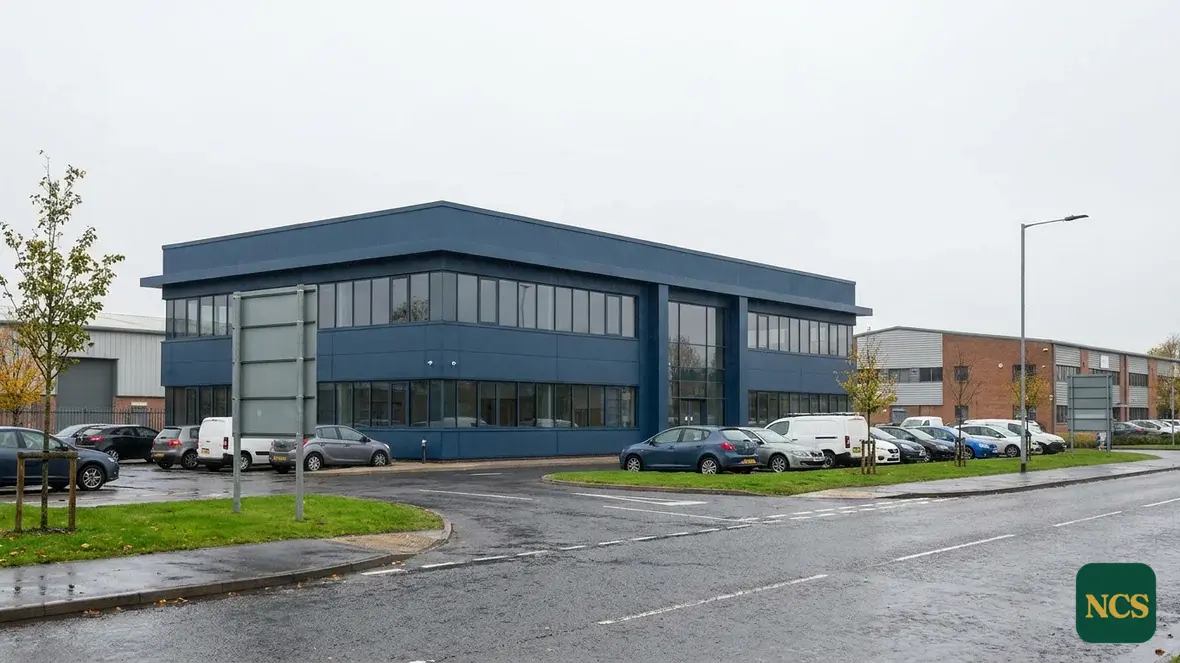
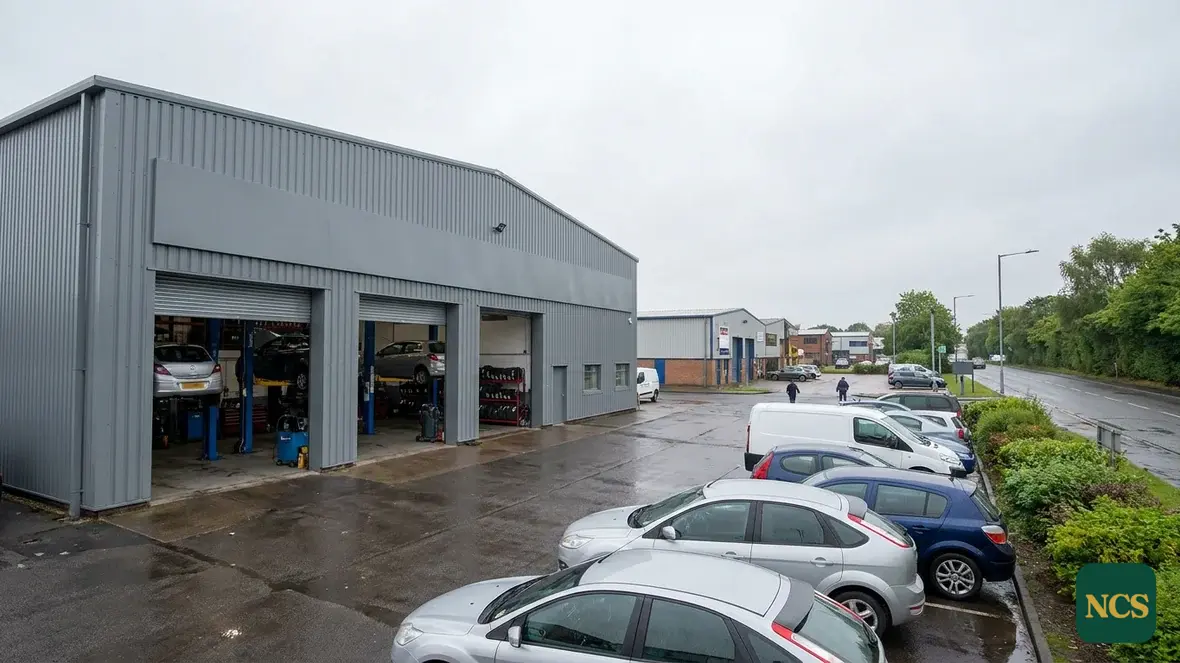
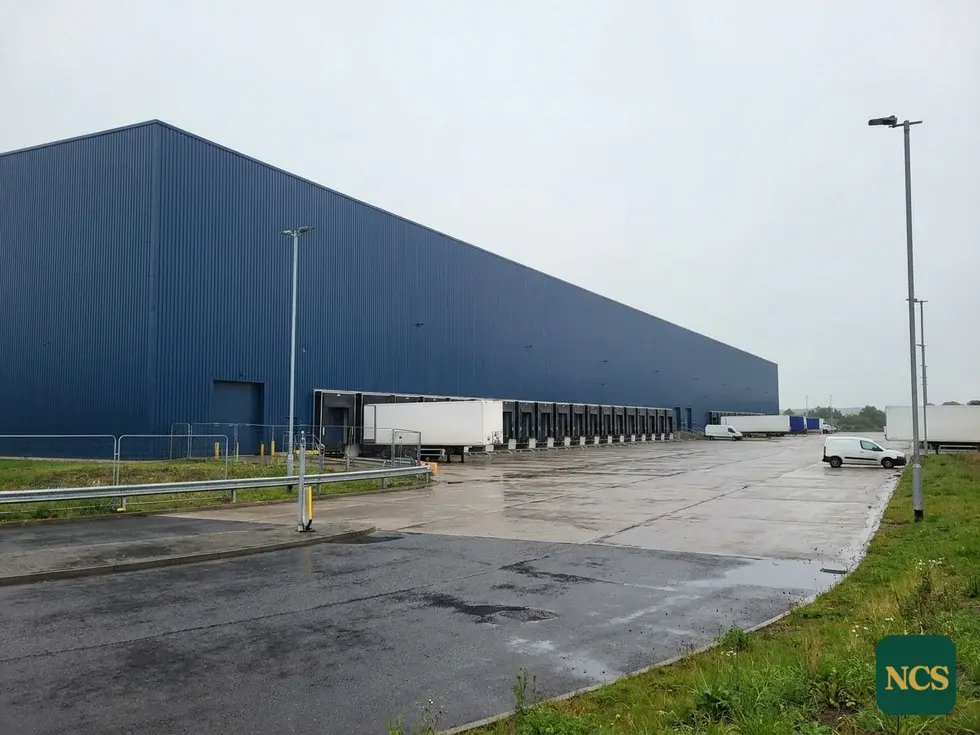
Stoke-on-Trent is six towns stitched together, and between them they hold a substantial stock of clad industrial and commercial buildings: manufacturing units, modern distribution sheds along the A500 and M6 corridor, trade parks, depots and retail units. Cladding spraying in Stoke-on-Trent keeps that stock working and presentable without the cost and disruption of recladding, by respraying the existing profiled steel and composite panels on site with a properly specified coating system.
That phrase “properly specified” is the whole service. We survey and test before we specify. We specify before we price. We do that on every building, without exception. It’s slower than quoting from a photo, but it’s much more useful because the price reflects the building, not an assumption.
The condition we usually find
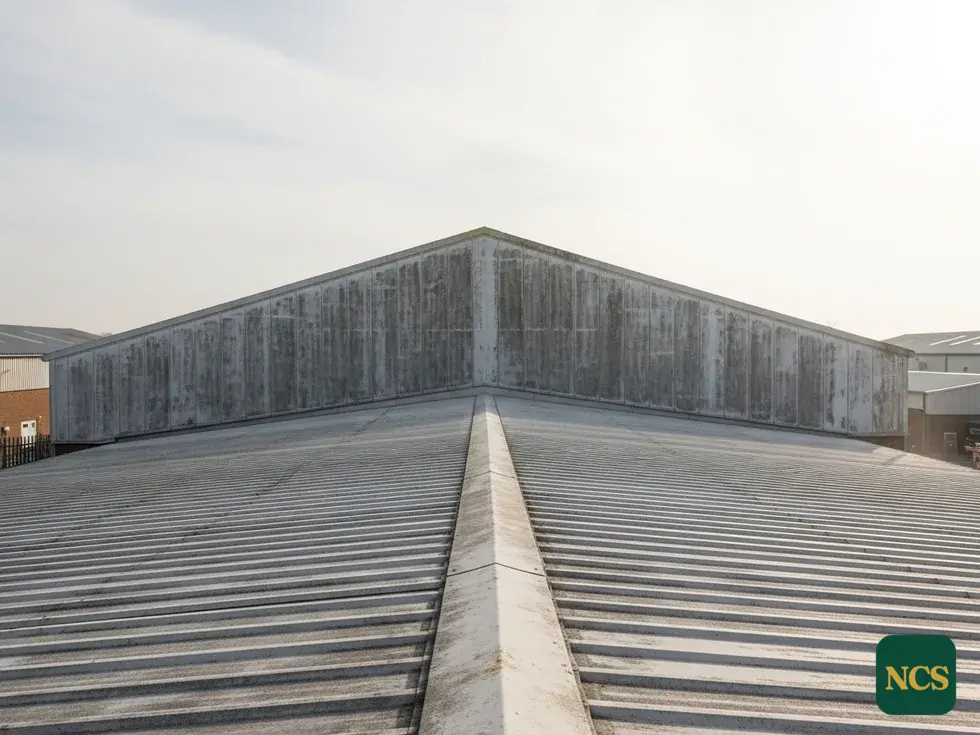
Much of the area’s older industrial cladding was finished in plastisol. It’s spent decades in the Staffordshire weather now. The result is familiar: flat, chalky colour where there used to be gloss. Panels fade at different rates on different elevations. We see staining under gutter runs, impact damage at forklift and vehicle height, and cut-edge corrosion creeping along sheet ends and laps. Newer composite-clad sheds fare better but still dull and patch with age. Almost all of it can be resprayed, provided the metal underneath is sound, and the survey is how we find out.
Colour change features as often as restoration. Units changing hands or being rebranded can move to a new scheme in the same programme, which is usually the sensible moment to do it.
For Stoke-on-Trent landlords, a cladding respray is the difference between a unit that shows its age and one that lets.
How the survey shapes the job
Our surveyor walks every elevation, tests the adhesion of the existing finish, maps corrosion and damage, and records how the site operates so the programme can work around production, deliveries and neighbouring units. What comes back is a written specification: cleaning and preparation methods, repairs and edge treatment, the coating system and build-up, and the agreed colours. Where a building stays in production through the works, the programme is built around shifts and deliveries from the outset, rather than negotiated door by door once work has started.
- Adhesion testing before any system is proposed
- Corrosion and damage mapped elevation by elevation
- Repairs and cut-edge treatment completed before topcoats
- Programming that works around production and deliveries
- Final inspection against the written specification
Our teams run the same process across the wider area, taking in Newcastle-under-Lyme, Stafford, Crewe and Leek as readily as the six towns themselves.
Straight answers when coating is wrong
Not every building should be sprayed. Where rust has gone through the sheet, where the facing skin of a composite panel has debonded from its core, where edge corrosion has destroyed the sheet ends or fixings have failed, coating would only postpone and disguise the real bill. The same applies if the building needs thermal or fire-performance improvements that demand recladding. Our survey reports say these things plainly when they are true, because a respray sold onto failing fabric is not value, it is camouflage. Often the honest answer is mixed: a handful of sheets replaced, edges treated, the rest prepared and coated.
The value of a survey-led contractor
A coating quotation is only meaningful if the scope behind it is real. Survey-led contracting puts the inspection, the testing and the written specification in front of the price. So what you are quoted is what your building actually needs, rather than an optimistic average. It also gives you a standard to inspect the finished work against, elevation by elevation, at handover. For clad buildings across Stoke-on-Trent and the wider county, that sequence, survey then specification then price then programme, is the most reliable route to a finish that lasts.