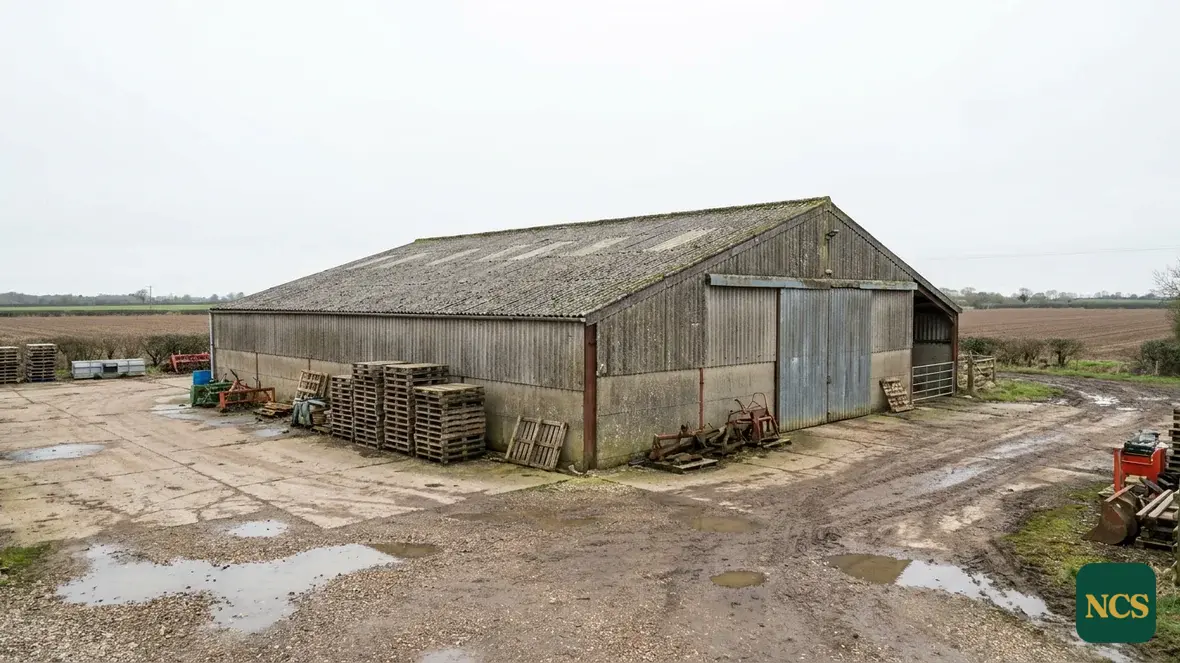
Coating dairy and livestock buildings on the Staffordshire plain
Out beyond Stoke-on-Trent, the land opens into mixed dairy and livestock country. The buildings reflect it: cubicle housing, parlours, calf sheds and general-purpose agricultural buildings with long runs of profiled steel and older fibre cement overhead. These are working roofs in a demanding environment. Ammonia, condensation and constant moisture from housed stock attack coatings from below as well as above. So the failure pattern here is rarely just surface weathering. It’s corrosion that has had help from the inside.
That changes how we approach a coating programme around Stoke-on-Trent. We have to assess the roof for what the building actually does, not just how it looks from the yard. A general shed used for dry storage is a very different proposition from a cattle building that has been holding stock through wet winters for thirty years. Even when the two sit side by side in the same yard with the same profile of sheet on top.
Working around a parlour that never stops
A dairy doesn’t pause. Cows are milked twice a day every day, and the parlour roof cannot simply be taken out of action for a fortnight. So the scheduling problem here is different from arable country. We phase the work, prioritise the buildings that can be emptied or worked around safely, and time the application phase for when stock are out at grass and the housing is standing empty through the warmer months.
That seasonal window is short and weather-dependent, which is why an early survey matters. Booking the assessment well ahead means the application can drop straight into the right dry spell rather than waiting another year. On a holding near Stoke-on-Trent with several buildings, we will often spread the work across more than one season so that no single part of the operation has to stop. We treat the buildings that can be cleared first and come back for the rest when the timing suits the herd.
Survey first, decision second
Every building we look at gets the same honest sorting. Some roofs are sound under their weathering and will take a new coating system that holds for years. Others need repair before anything goes on top. And some are past the point where coating makes sense. We’d rather spend the time getting that judgement right at survey stage than commit you to a coating that the roof was never going to hold. The assessment covers the things that decide it:
- Sheet condition and corrosion, especially at laps, gutters and fixings
- Internal moisture and ventilation, which drive corrosion from below
- Structural movement or ingress a coating would mask rather than fix
- Whether older fibre cement needs full assessment before any work
Around Stoke-on-Trent we paint and coat steel-clad barns, fibre cement roofs and workshop elevations, always off the back of a survey.

Where we draw the line on coating
We will tell you straight if a roof is not worth coating. A livestock building that has corroded heavily from the inside may need sheets repaired or replaced first. In the worst cases, a strip and re-sheet is the genuine answer rather than a coating that fails inside a season. Coating a sheet that has already lost its strength does not bring that strength back, and we won’t pretend otherwise to land the work. Older fibre cement roofs are a particular case: they may contain asbestos, work on them is regulated and demands a proper assessment, and overcoating is never something we assume by default. We don’t invent warranty lengths, and we don’t promise a coating will outlast a roof that is already failing.
Booking a survey around Stoke-on-Trent
If you run a dairy or livestock holding near Stoke-on-Trent and your roofs are starting to show their age, the place to start is a proper survey. Once we understand your housing pattern through the year, we can plan the work around milking, turnout and the weather rather than against them. The point of starting with a survey is that you commit to nothing until you know exactly what each roof needs and when it can be done without stopping the herd. Send the details through the quote form and we will arrange a visit.
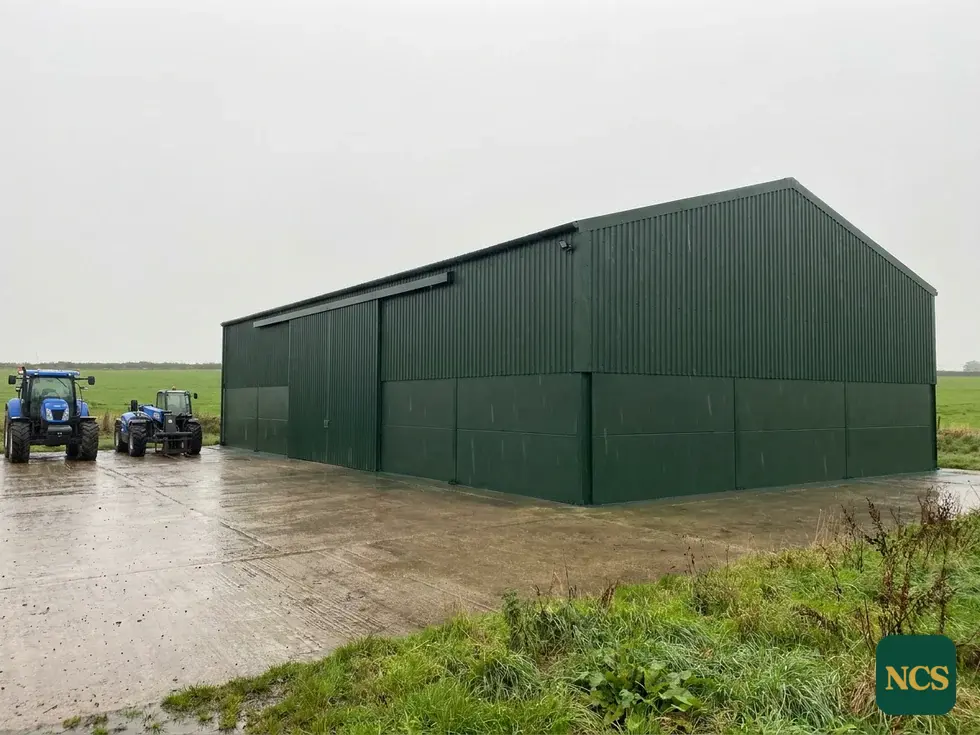
Recently — July 2026
We coat roofs and cladding that still have life in them, and we say so plainly when one is past saving.
Dry summer spells are the window for tackling cut-edge corrosion and tired finishes before the autumn rain sets back in.