Commercial wall coating in Stoke-on-Trent
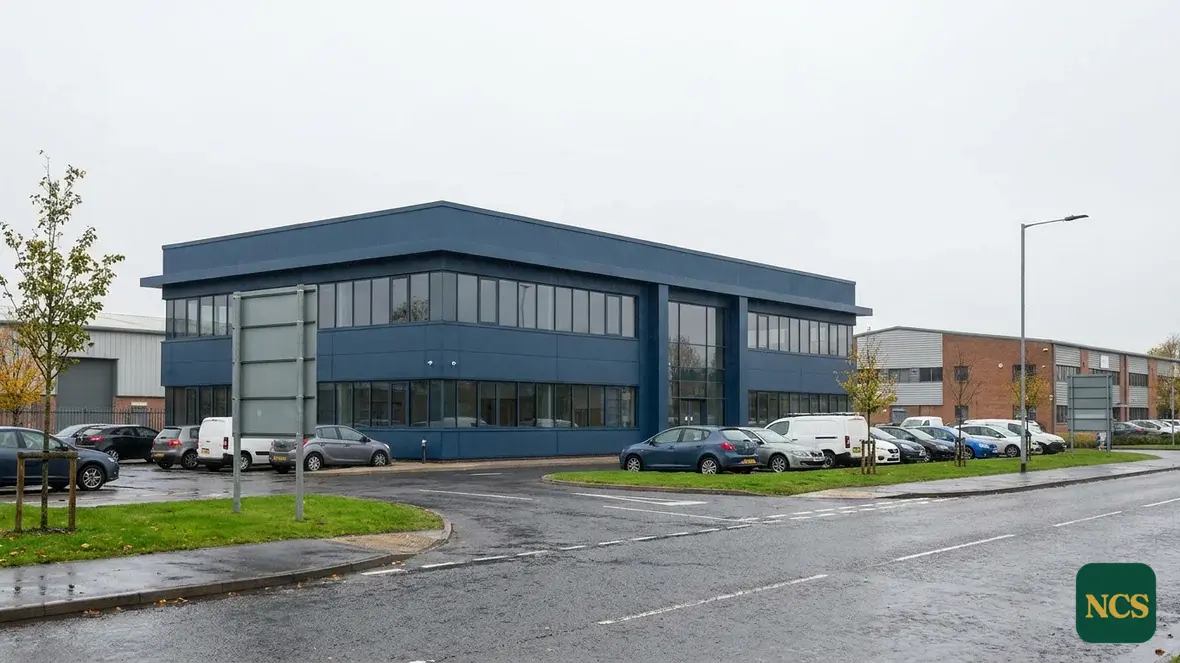
Stoke-on-Trent is really six towns wearing one name, and its commercial buildings carry that history in their walls. For us, commercial wall coating here deals overwhelmingly with brick. The city was built from it, fired it for the world, and its older trading streets still show run after run of Victorian and Edwardian masonry. We see those alongside post-war blocks and modern industrial units. Brick of that age isn’t the indestructible material it appears to be. Faces spall, joints wash out, and decades of patch repairs leave elevations that need diagnosis before they need decoration.
The weather plays its part as well. Winters here drive rain and frost into any face that has lost its protection. The freeze-thaw cycle turns small defects into large ones with remarkable efficiency. Catching a wall at the right point in that decline is most of the value of this work.
Typical buildings and surfaces across the Potteries
In general terms, the commercial stock a survey here tends to encounter includes:
- Victorian and Edwardian brick frontages on the older trading streets
- Rendered and painted elevations on converted commercial premises
- Post-war blocks and parades in brick and early cement render
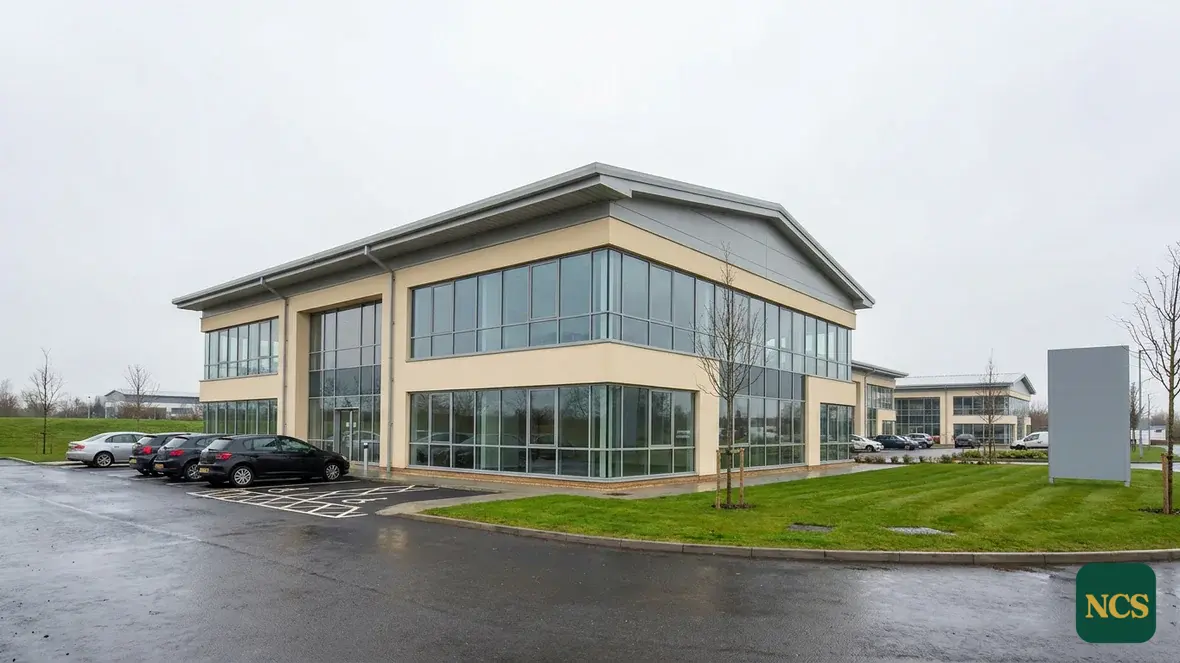
- Industrial and warehouse units across the city’s estates
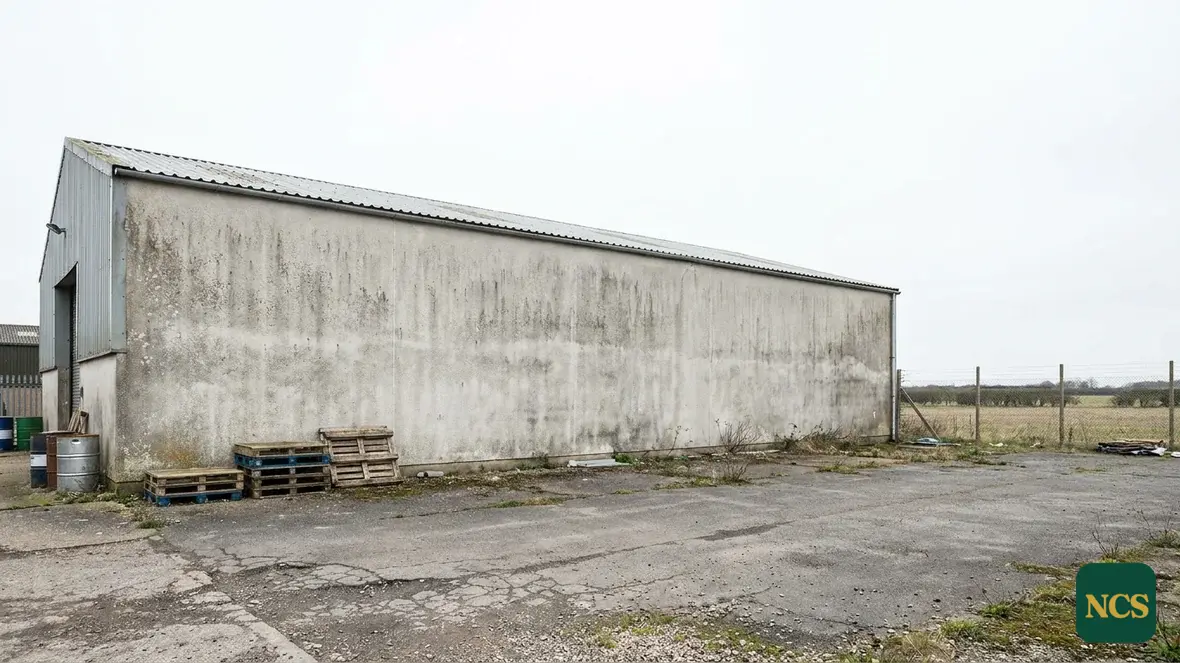
- Previously coated walls where an old finish is flaking or trapping damp
Each behaves differently under Staffordshire weather. The right answer for one is frequently the wrong answer for its neighbour. That’s not a sales line. It’s the reason we won’t specify anything from a photograph. Roofline details matter as much as the walls themselves on stock of this age, and a sensible survey treats the elevation as one system, copings and gutters included.
Painting over failed render around Stoke-on-Trent buys a season or two at best. Cutting it out and repairing it first is what makes the finish last.
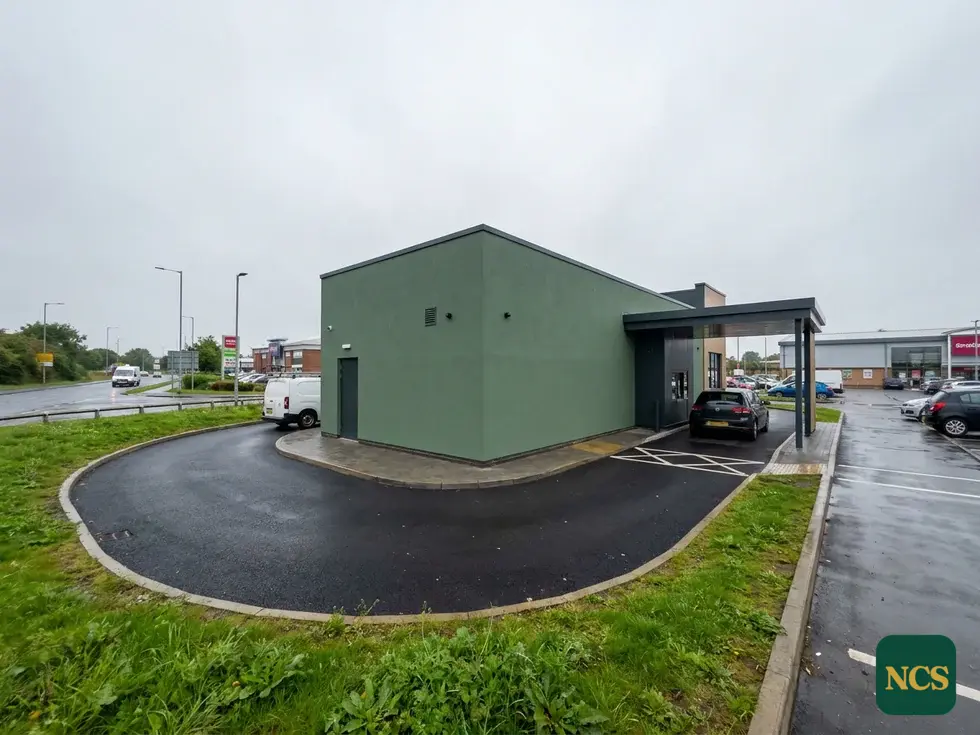
A survey-led process from first call to final coat
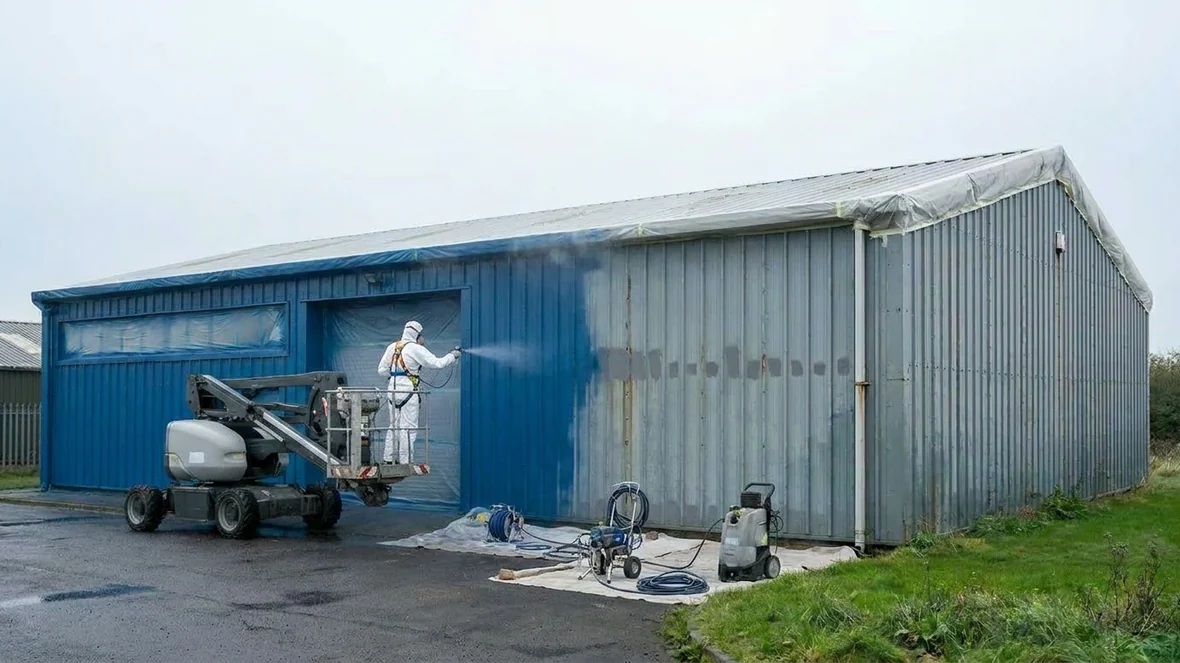
We start by listening, then inspecting. Our survey identifies the substrate, measures moisture, maps cracking and decayed pointing. We also check the gutters, copings, and other details that cause a surprising share of wall problems. You’ll receive written findings and a recommended scope. That may include masonry repairs before any coating is discussed at all. If the job proceeds, preparation and repair come first, and application waits for workable weather. Access and trading hours are part of the survey too, because industrial and retail premises rarely have the luxury of closing for exterior work. The same process serves the wider area. Commercial buildings in Newcastle-under-Lyme, Stafford, Crewe and Leek are handled exactly as those in Stoke-on-Trent itself.
The honest limits of coating
A coating protects a sound wall. It can’t make an unsound wall sound. Rising damp, live movement, failed wall ties, saturated cavity insulation, and water pouring in from failed rainwater goods all have to be put right first. Sometimes a wall then needs a drying period before any finish should go near it. Where a survey finds problems like these, our report says so directly and recommends the proper order of works. We’d rather deliver that news early than have it discovered under a failed coating two winters later.
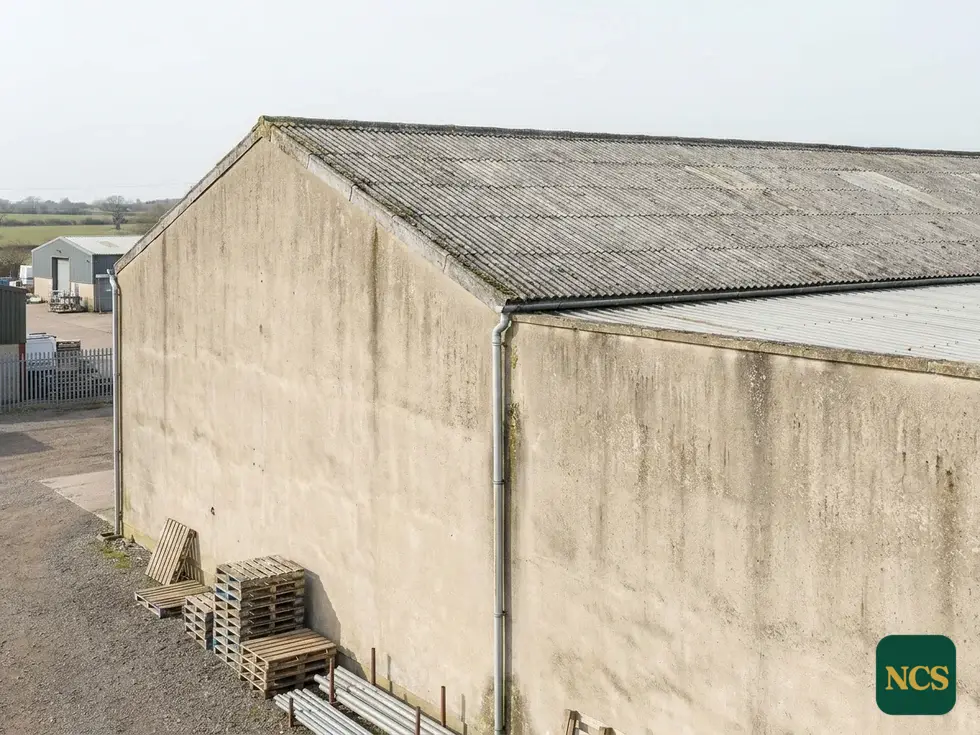
Why choose a contractor that surveys before it sells
The difference between a survey-led contractor and the rest is what exists on paper before the price. With us it’s a diagnosis: what the wall is, what state it’s in, what must be repaired, what we recommend and why. That document protects you twice. Once when comparing quotes, and again if anything ever needs revisiting. For commercial property owners around Stoke-on-Trent and the rest of Staffordshire, it turns exterior coating from a leap of faith into a decision made on evidence. That’s the only kind worth paying for.